
Effective protection
Inspection, identification, and targeted action guide the plan.

Designed to eliminate the problem while being thoughtful about your home, your family, and how products are used.
The goal is not to apply the greatest amount of product. It is to build the correct strategy for the pest, the property, and the conditions.
Pristine Pest Control begins with inspection and identification. Treatment decisions may combine exclusion, sanitation guidance, mechanical controls, monitoring, habitat changes, and targeted product application when appropriate.
Discover the Pristine Approach ↗
The watchful mascot brings warmth to the brand. The service experience stays disciplined, evidence led, and built around the conditions at each property.
Inspection, identification, and targeted action guide the plan.
Eligible recurring plans receive clear written pricing terms.
Choices consider the property, the family, and product placement.
Local education reflects property conditions and seasonal pressure.
Specific, documented information earns trust.
Every step narrows the problem. That means less guesswork, clearer decisions, and a plan built around what is actually happening at your property.
Seeing an insect tells us where it surfaced. Inspection helps determine where it lives, what supports it, and how it is moving. Those answers shape every control decision that follows.
See how diagnosis changes treatment ↗Explore the biology, behavior, signs, and property conditions behind common Oklahoma pest pressure.
Enter the full library ↗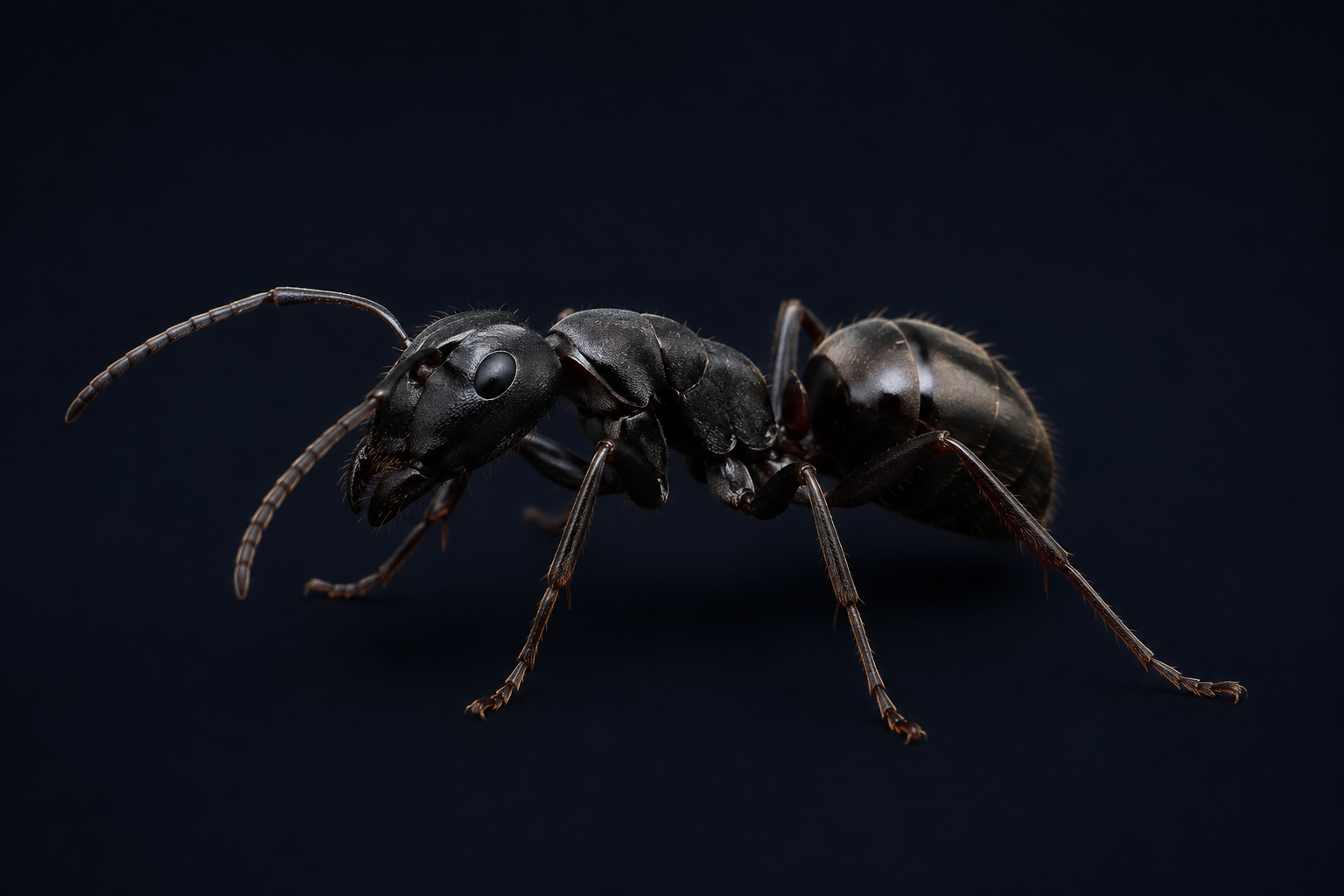
Ant activity is rarely random. A trail is evidence of a working system connecting food, moisture, shelter, and a colony that may be out of view.
Explore biology ↗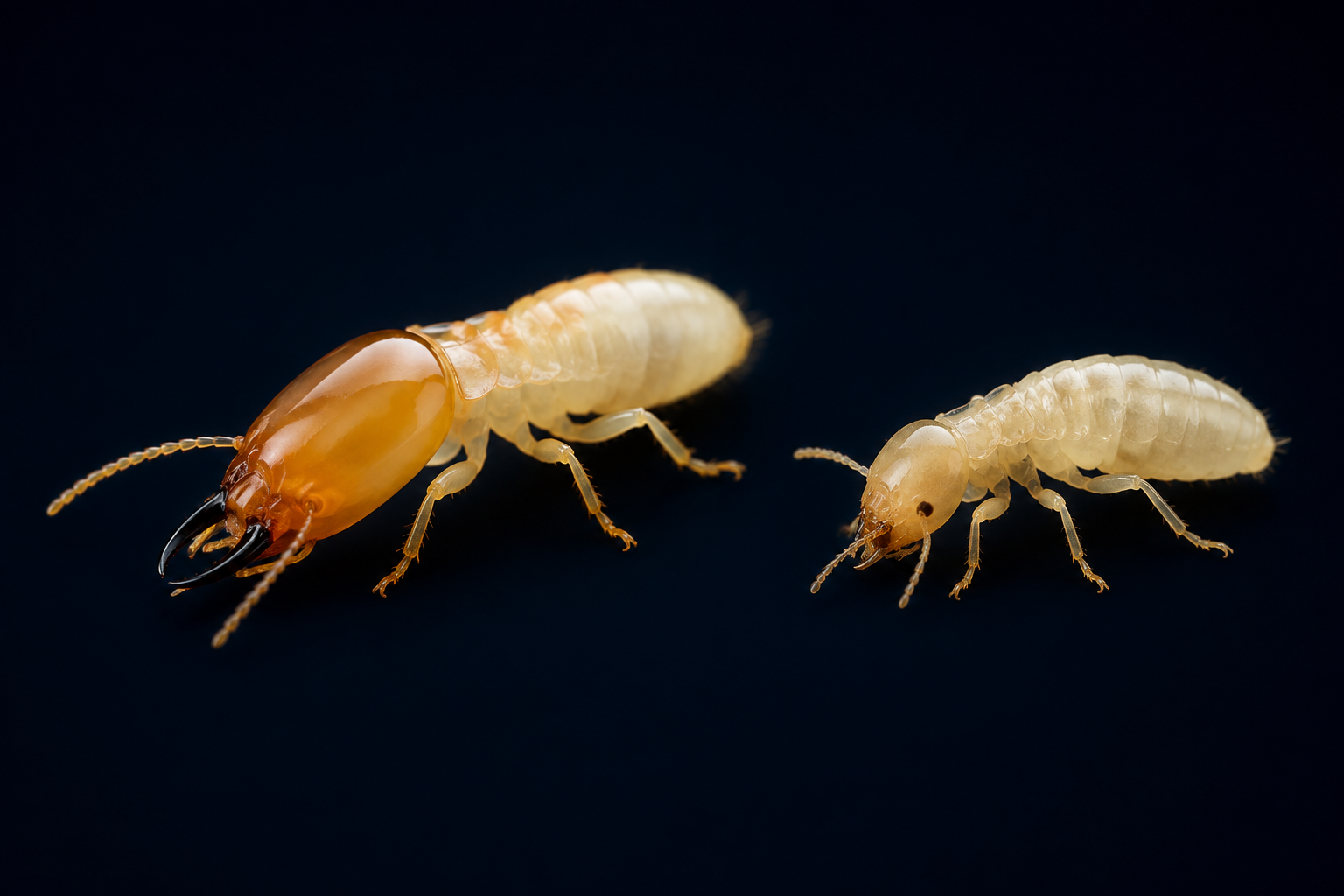
Subterranean termites are organized, moisture dependent insects that can move between soil and concealed wood without exposing their main colony.
Explore biology ↗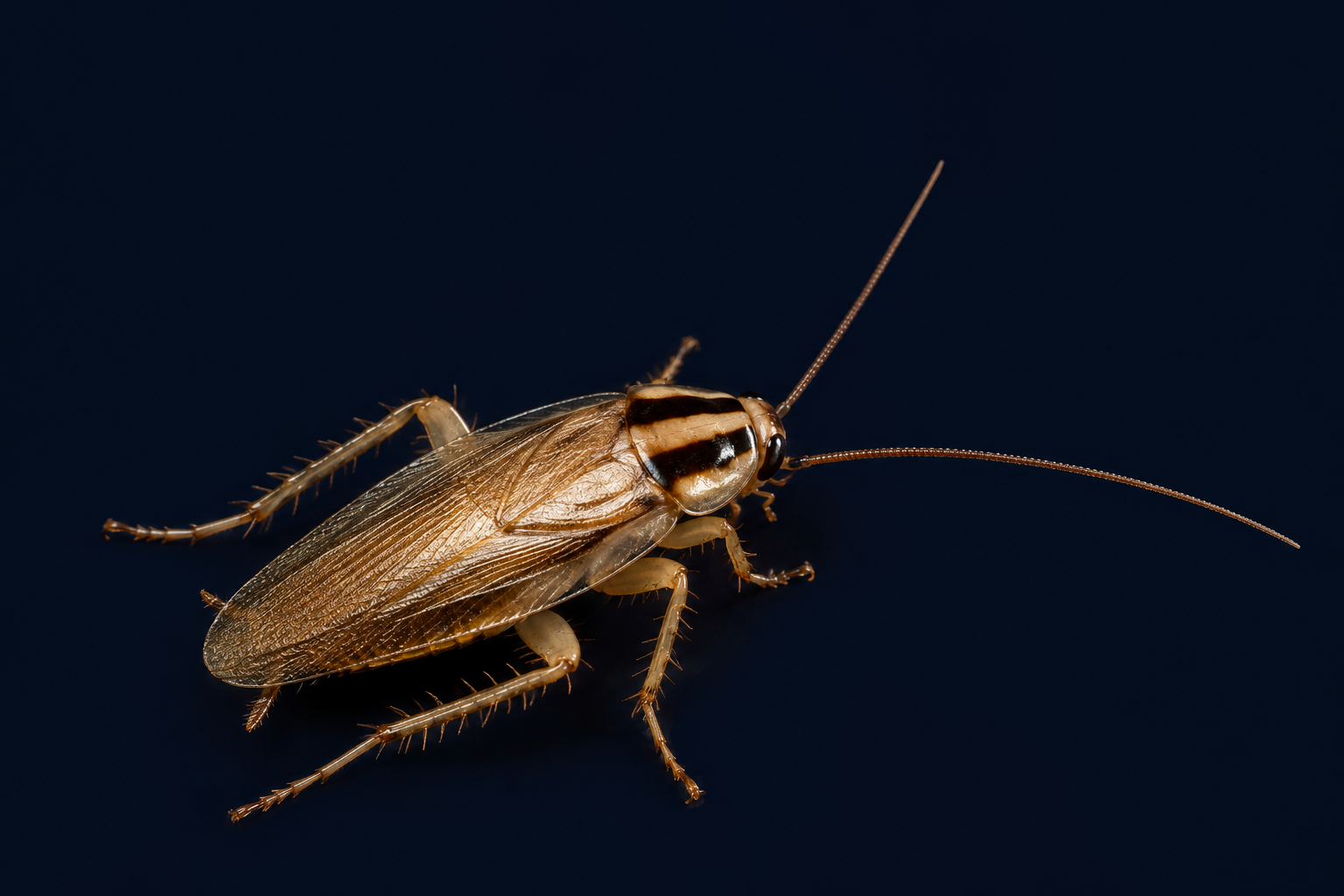
Cockroaches succeed by staying close to food, water, warmth, and narrow shelter. The visible insect is often only the surface evidence.
Explore biology ↗
Spiders usually appear where shelter and prey are available. Correct identification matters because behavior and risk vary widely among species.
Explore biology ↗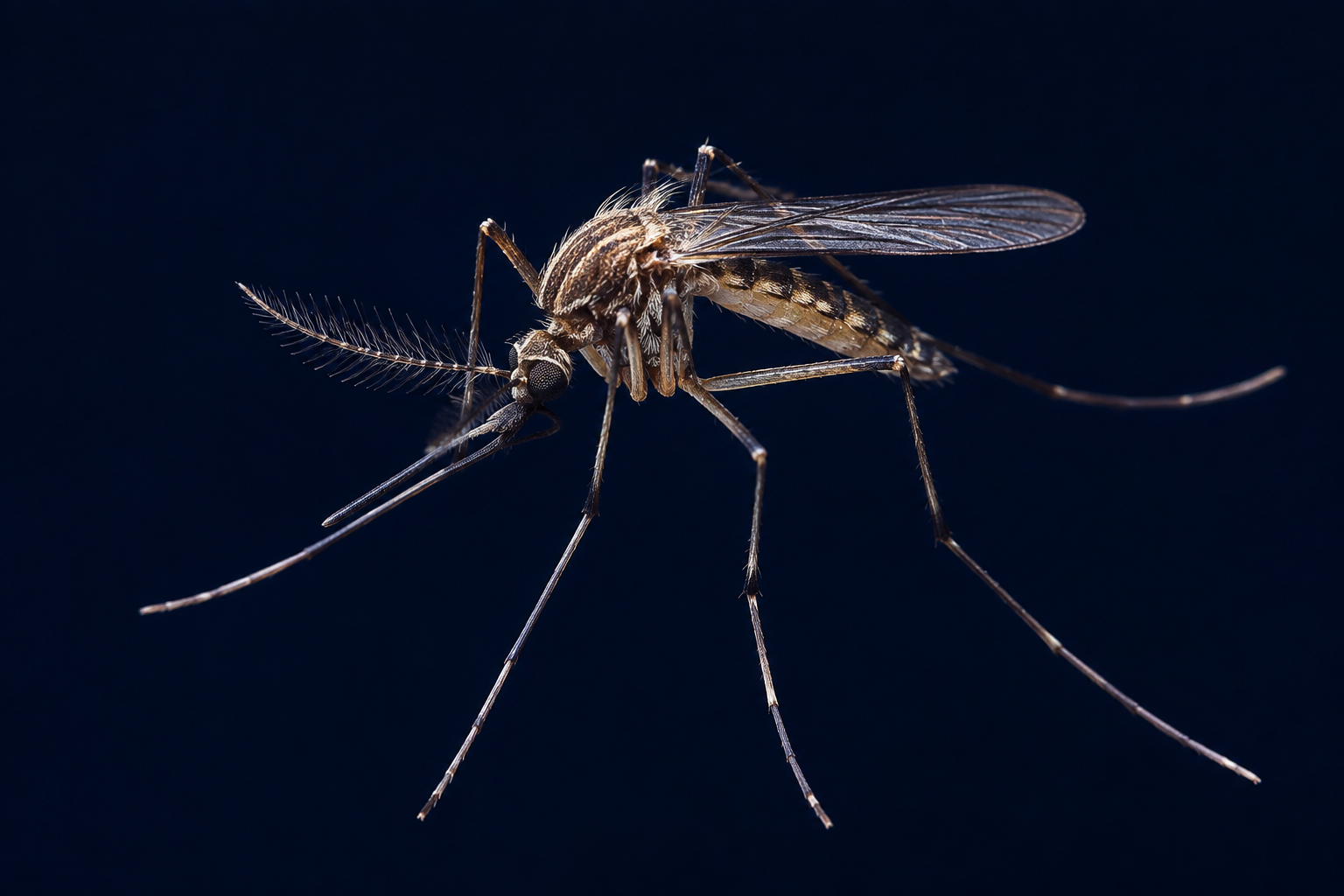
Mosquito pressure is shaped by water, weather, vegetation, species behavior, and activity on neighboring properties.
Explore biology ↗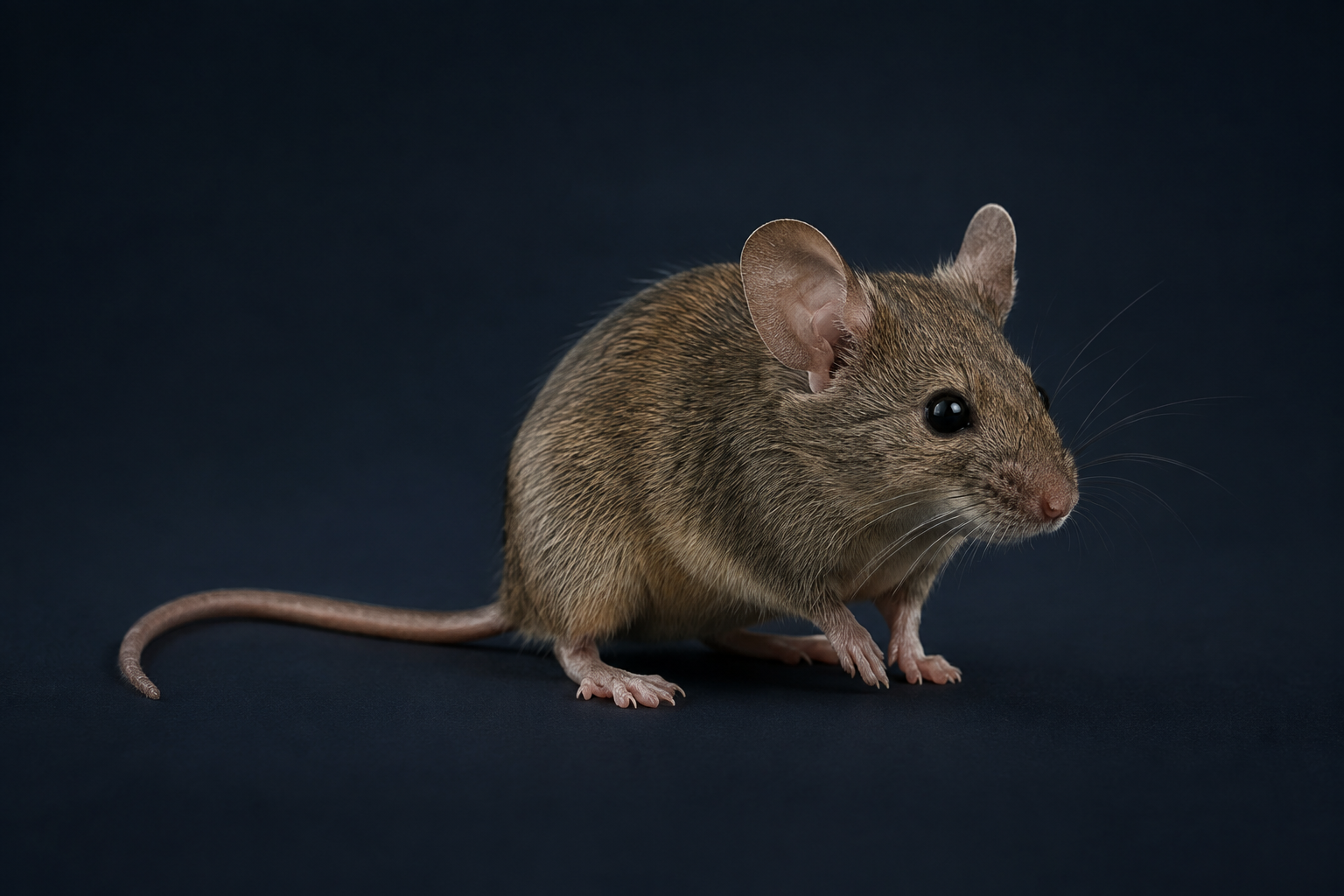
House mice are agile, adaptable rodents that can turn a small structural opening into reliable access to warmth, food, and nesting material.
Explore biology ↗Evidence based centers for bed bugs, ticks, and mosquitoes separate property findings from medical diagnosis and point to Oklahoma and federal guidance.

Bites alone cannot confirm an infestation. Start with the insect, room evidence, and a focused inspection.
Open health center ↗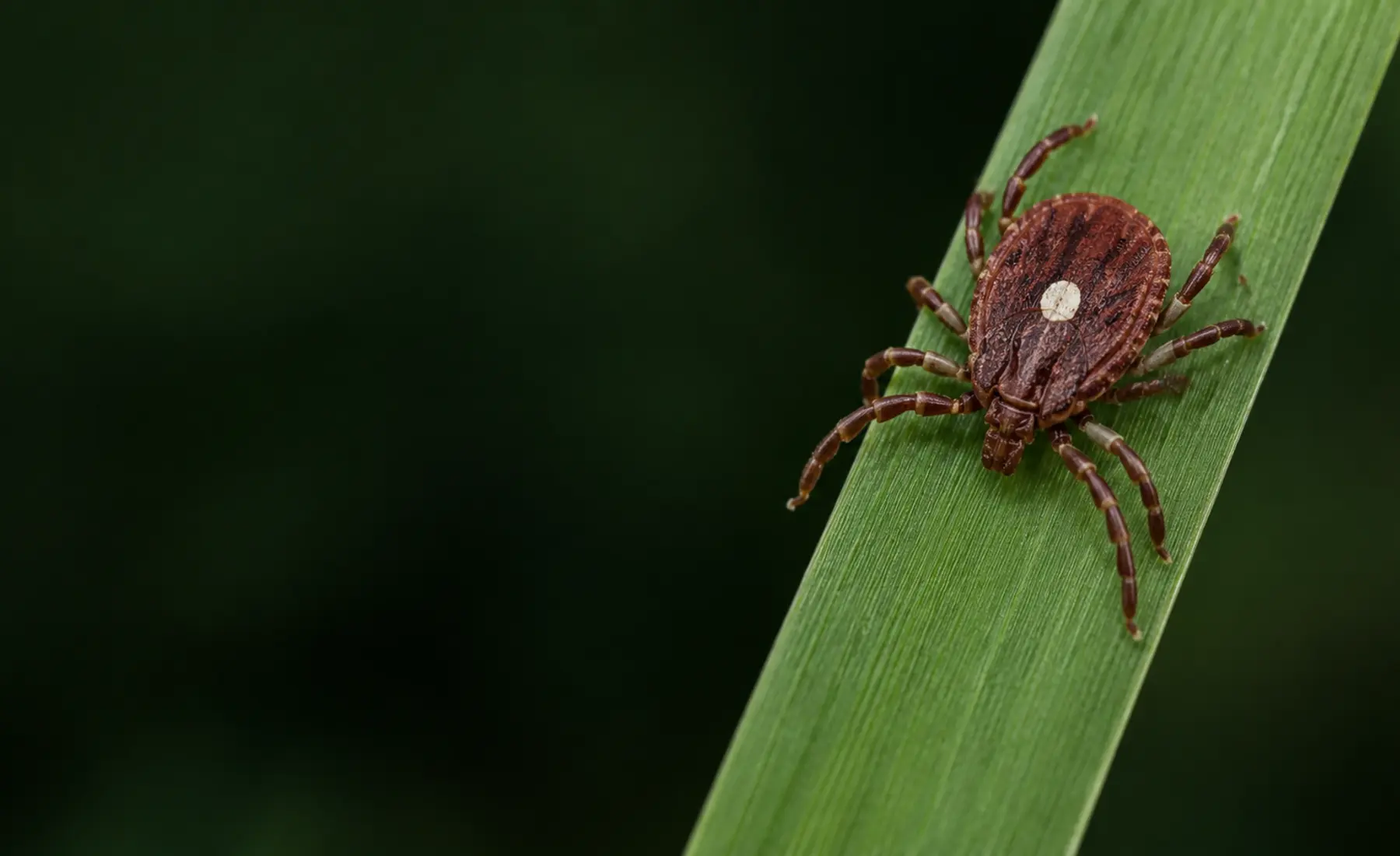
Species, exposure, geography, and symptoms shape the health context. Appearance alone cannot show pathogen status.
Open health center ↗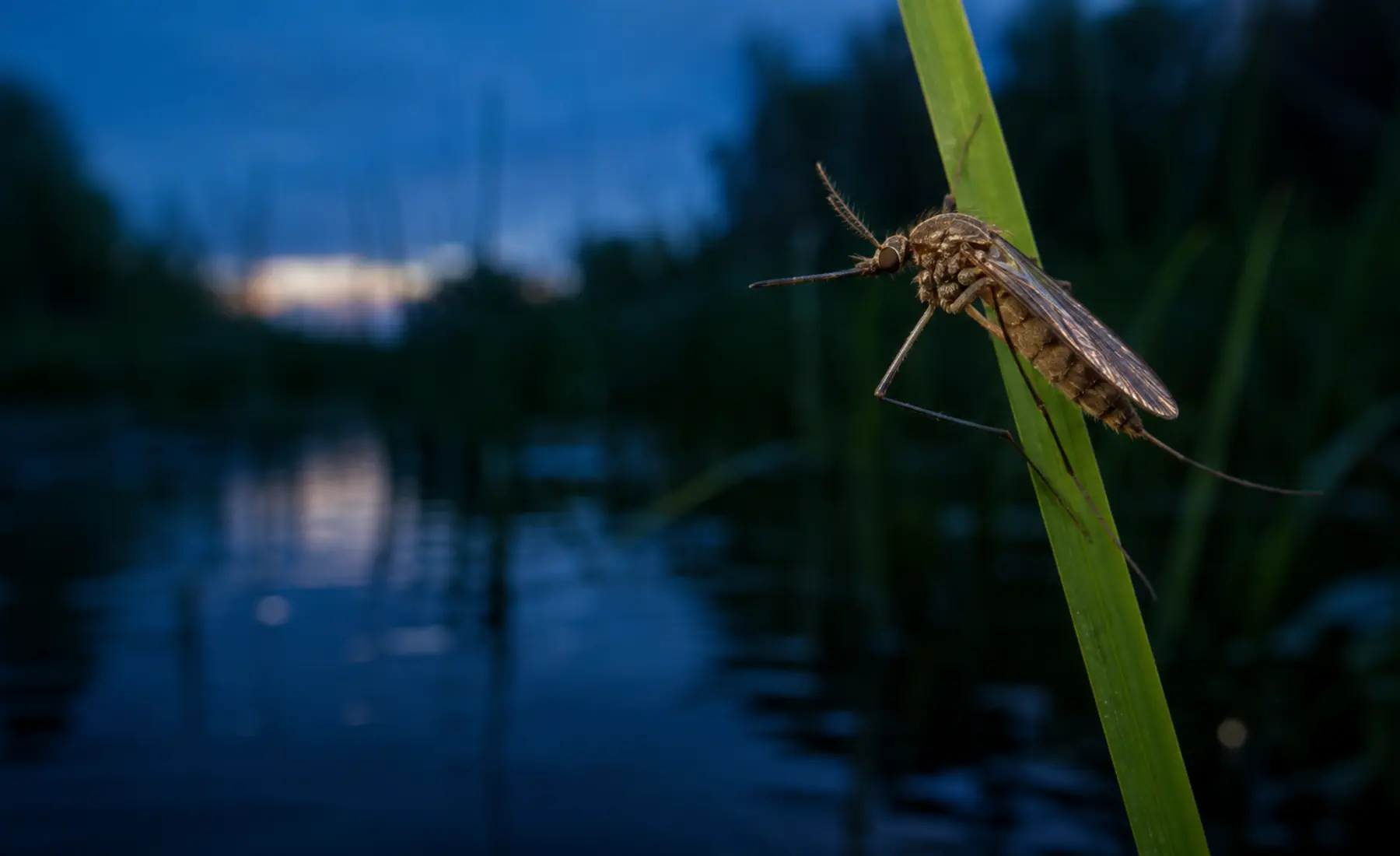
Property management begins with water, shelter, activity patterns, and current public health guidance.
Open health center ↗Warm conditions can accelerate insect development and expand periods of outdoor activity.
Rainfall, drainage, and soil moisture can shift where pests forage and shelter.
Foundation joints, utility entries, rooflines, and landscaping create property specific pathways.
Temperature swings and changing resources can move insects and rodents toward protected spaces.
Every service experience should make the problem, the treatment decision, and the next step easier to understand.
We look for evidence, entry points, shelter, moisture, food, movement, and the conditions supporting activity.
DIAGNOSE FIRSTWe select practical control tools for the pest and place them where the evidence supports action.
LOWEST PRACTICAL INTENSITYCommercial findings, actions, and priority corrections are documented for the facility team.
PROOF OVER PROMOTIONWe identify reasonable changes that can reduce access, shelter, food, water, and recurrence.
PROTECT THE PROPERTYA concise description helps the team prepare for the conversation. You can add a clear photo on the full request form.