
01 / 06
Crawling insects
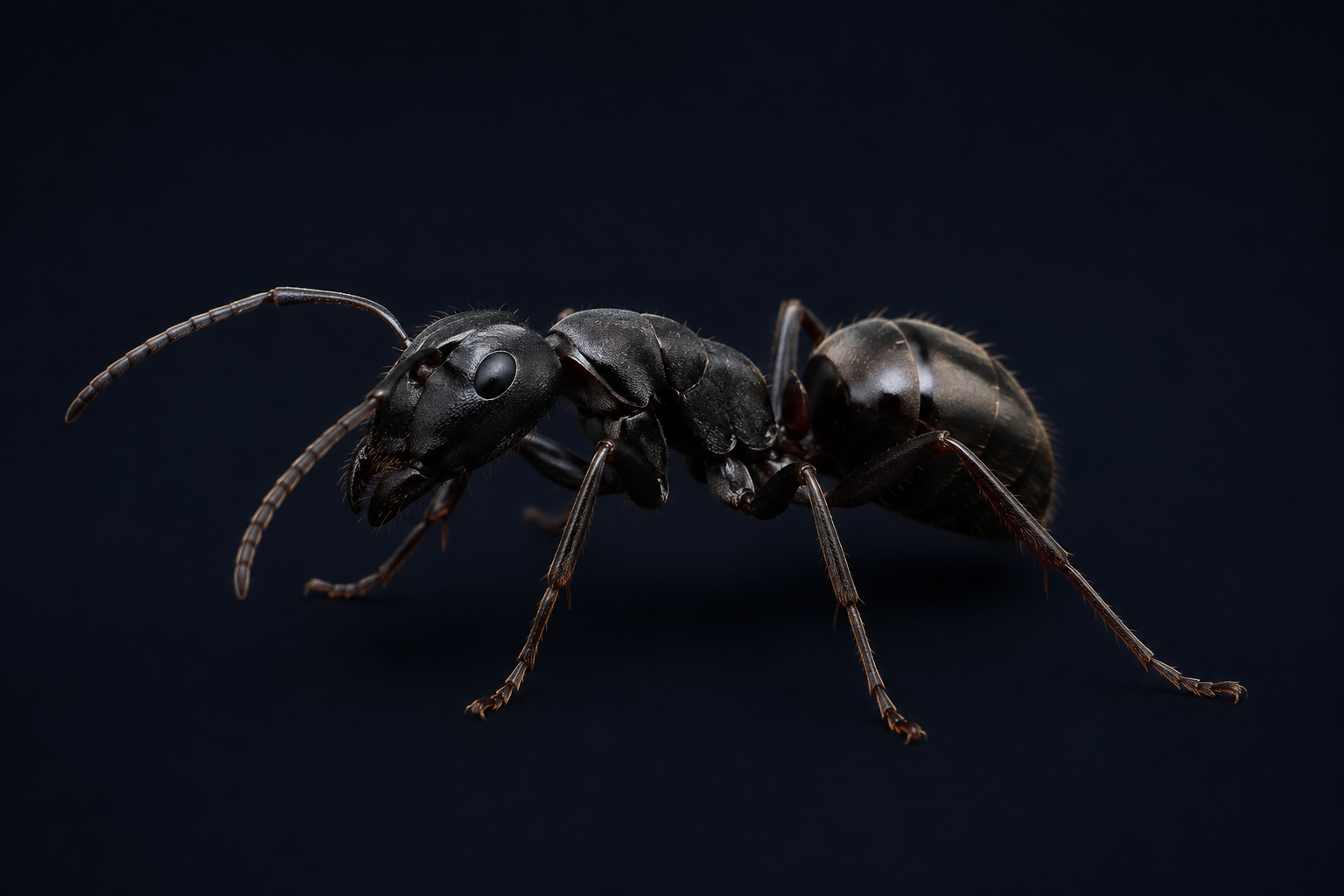
Ants
FormicidaeAnt activity is rarely random. A trail is evidence of a working system connecting food, moisture, shelter, and a colony that may be out of view.
Explore biology ↗Understand how pests live, why they enter structures, what evidence matters, and why successful control starts with identification.
Identify My Pest ↗These profiles explain biology, signs, and property conditions. An inspection confirms the activity and the right response.
Ant activity is rarely random. A trail is evidence of a working system connecting food, moisture, shelter, and a colony that may be out of view.
Explore biology ↗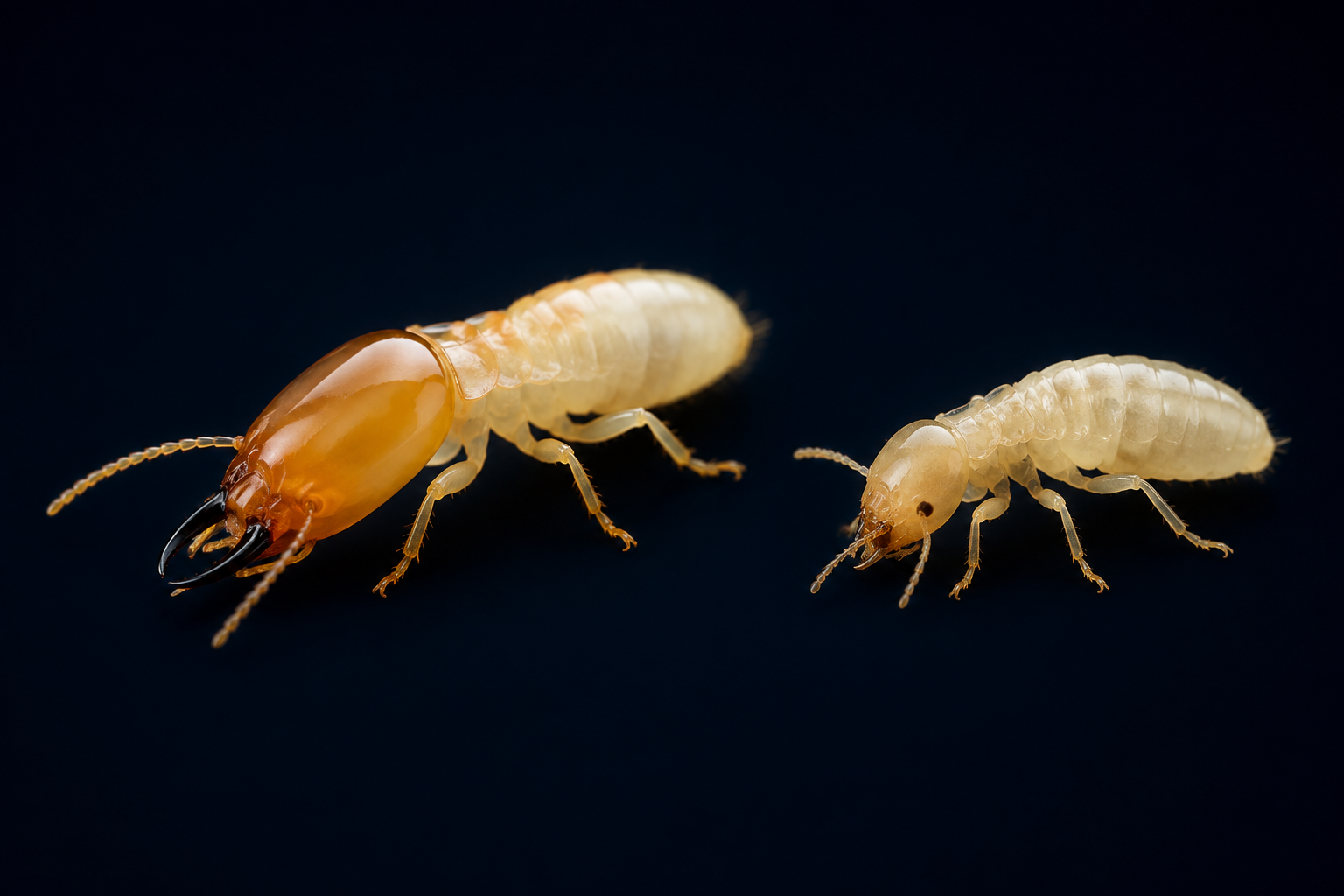
Subterranean termites are organized, moisture dependent insects that can move between soil and concealed wood without exposing their main colony.
Explore biology ↗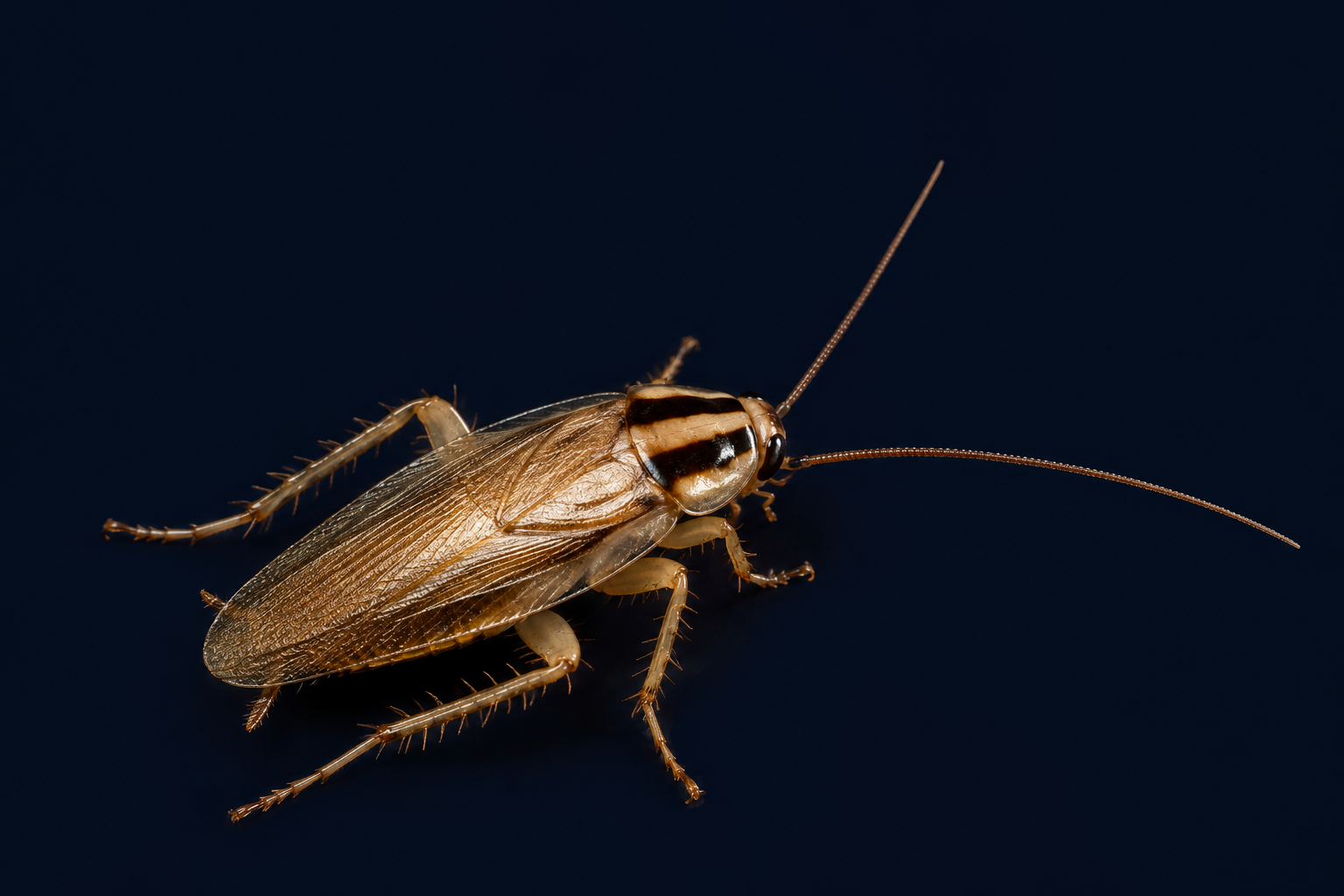
Cockroaches succeed by staying close to food, water, warmth, and narrow shelter. The visible insect is often only the surface evidence.
Explore biology ↗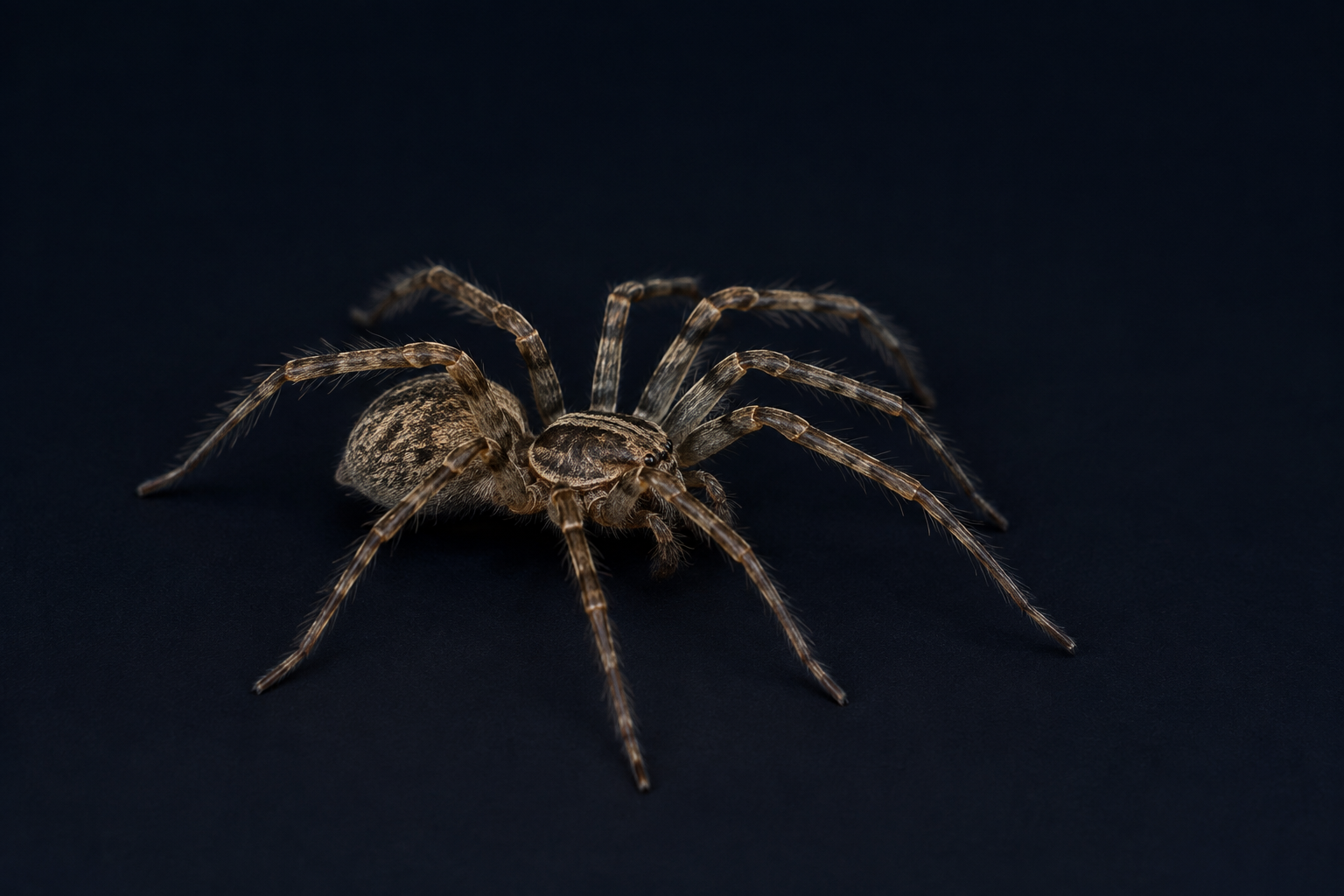
Spiders usually appear where shelter and prey are available. Correct identification matters because behavior and risk vary widely among species.
Explore biology ↗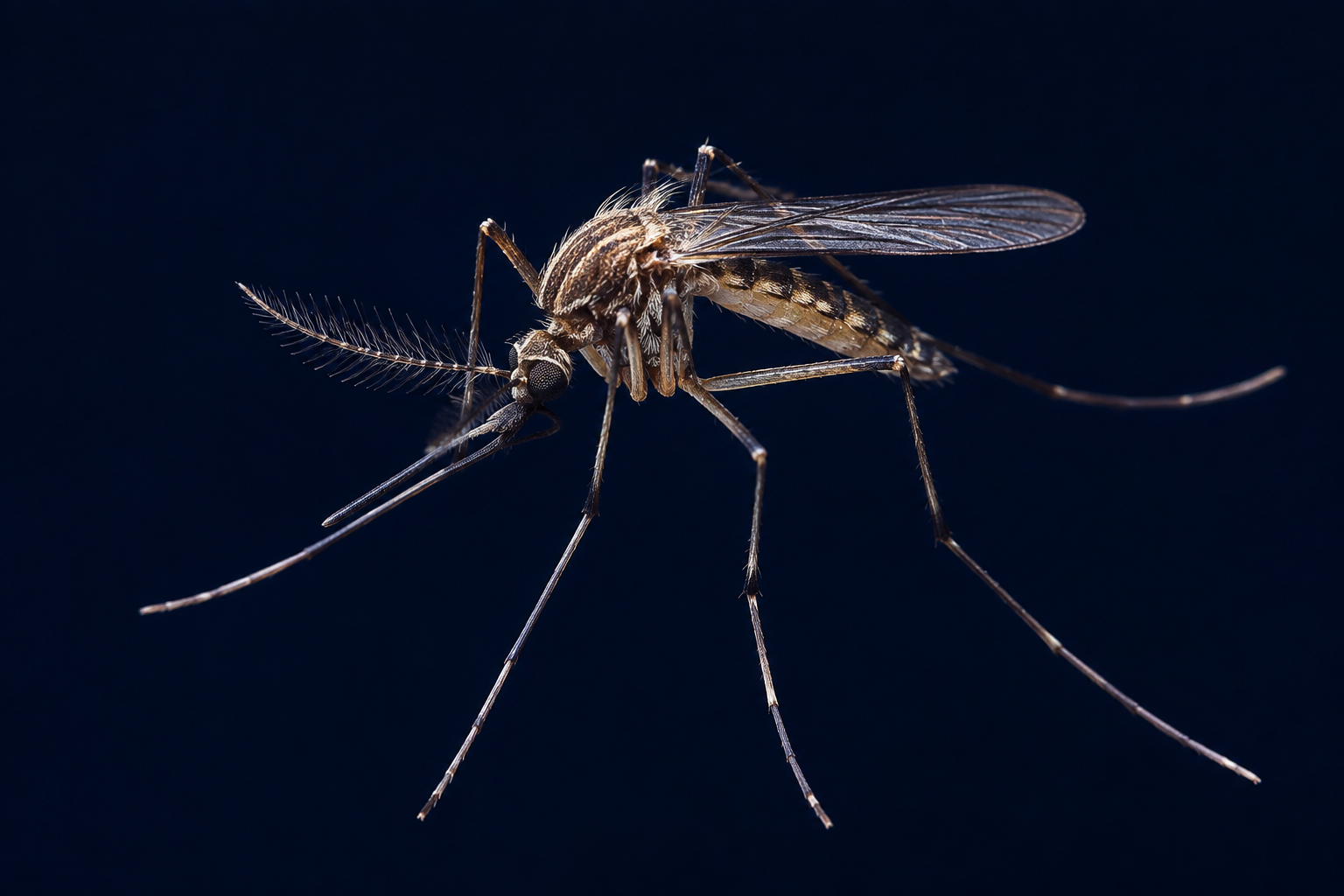
Mosquito pressure is shaped by water, weather, vegetation, species behavior, and activity on neighboring properties.
Explore biology ↗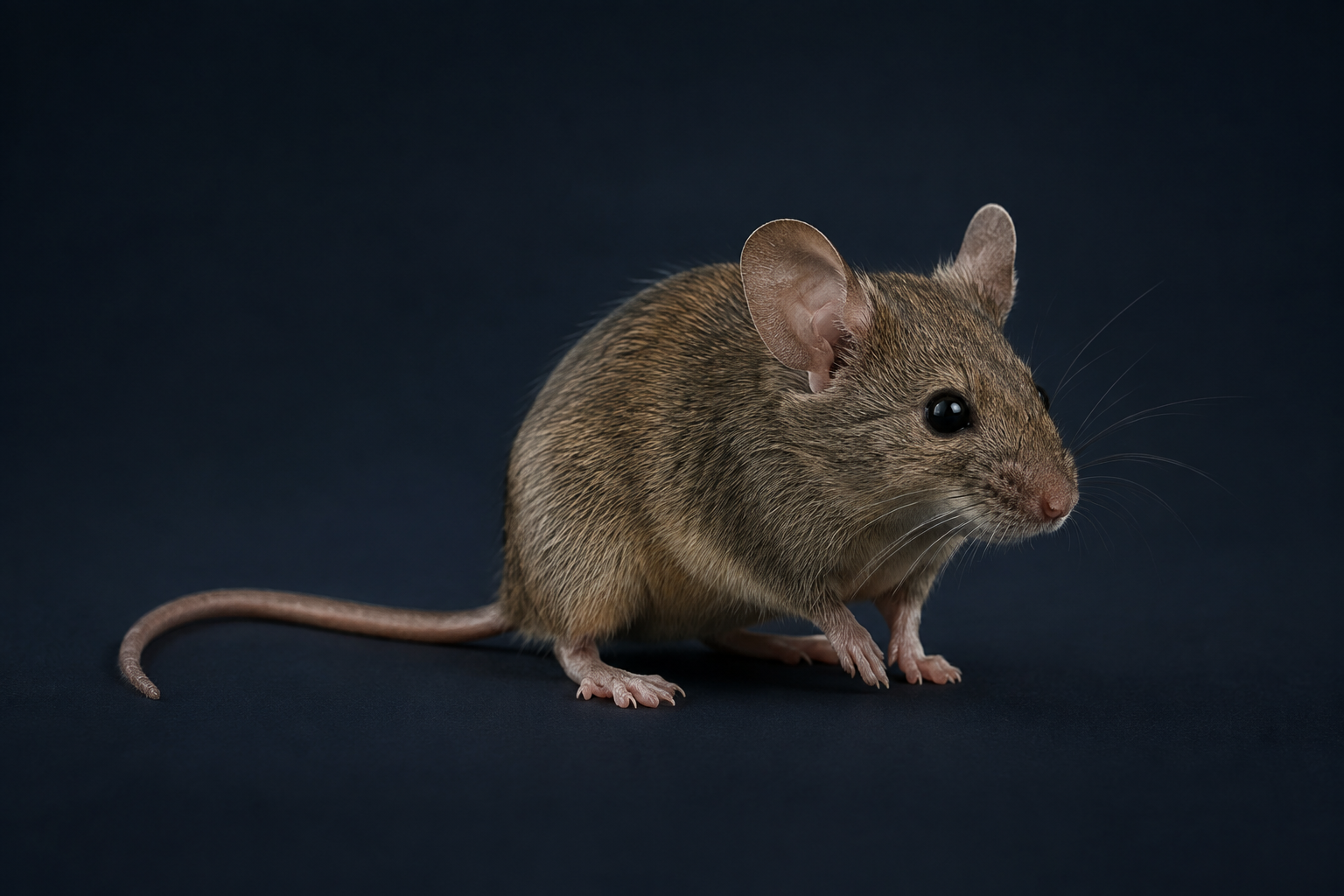
House mice are agile, adaptable rodents that can turn a small structural opening into reliable access to warmth, food, and nesting material.
Explore biology ↗