Oklahoma City identification center

Found something?
Start with evidence.

Compare shape, size, markings, behavior, and location. Then let the Pristine Pros confirm what is present and which property conditions are supporting it.

Visual identification system

Look closely.
Decide carefully.

Each profile separates identification, habitat, infestation evidence, property concerns, and health considerations. The goal is useful comparison without false certainty.

Not Sure What Pest You Have? ↗
Cockroach identification center

Five lookalikes.
Different behavior.

Size, pronotal markings, wing length, flight, moisture preference, and where activity is concentrated all help narrow the species.

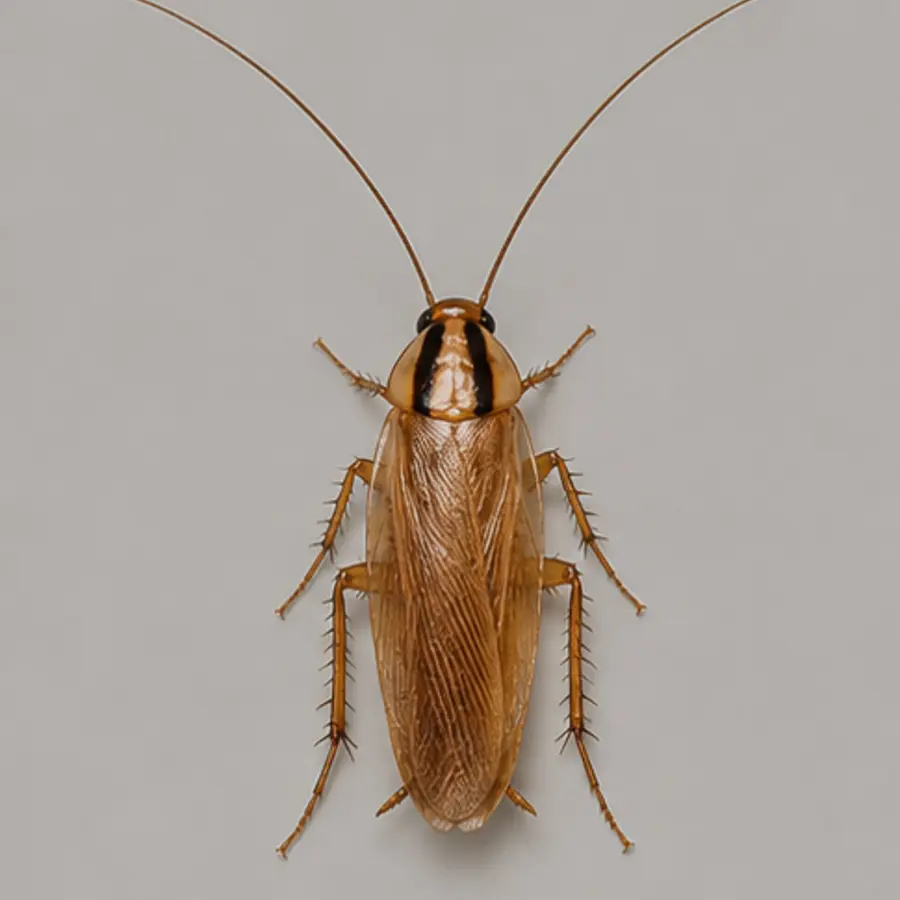
Top view field guide image of a German cockroach showing two dark stripes behind the head
Identification profile

German cockroach

Blattella germanica

Typical size
About 1/2 to 5/8 inch as an adult
Distinguishing marks
Light brown to tan with two dark parallel stripes on the shield behind the head.
Where found
Warm indoor cracks near food and moisture, especially kitchens, appliance voids, cabinets, and food handling areas.
Infestation signs
Pepperlike spotting, egg cases, shed skins, and repeated nighttime activity near heat, food, or water.
Why it matters
Rapid indoor reproduction can expand a sanitation and food contamination problem before daytime activity becomes obvious.
When to request diagnosis
Professional evaluation is recommended when nymphs, egg cases, daytime activity, or recurring sightings are present.

Documented by Oklahoma State University as a prevalent indoor pest.

Request an Appointment ↗
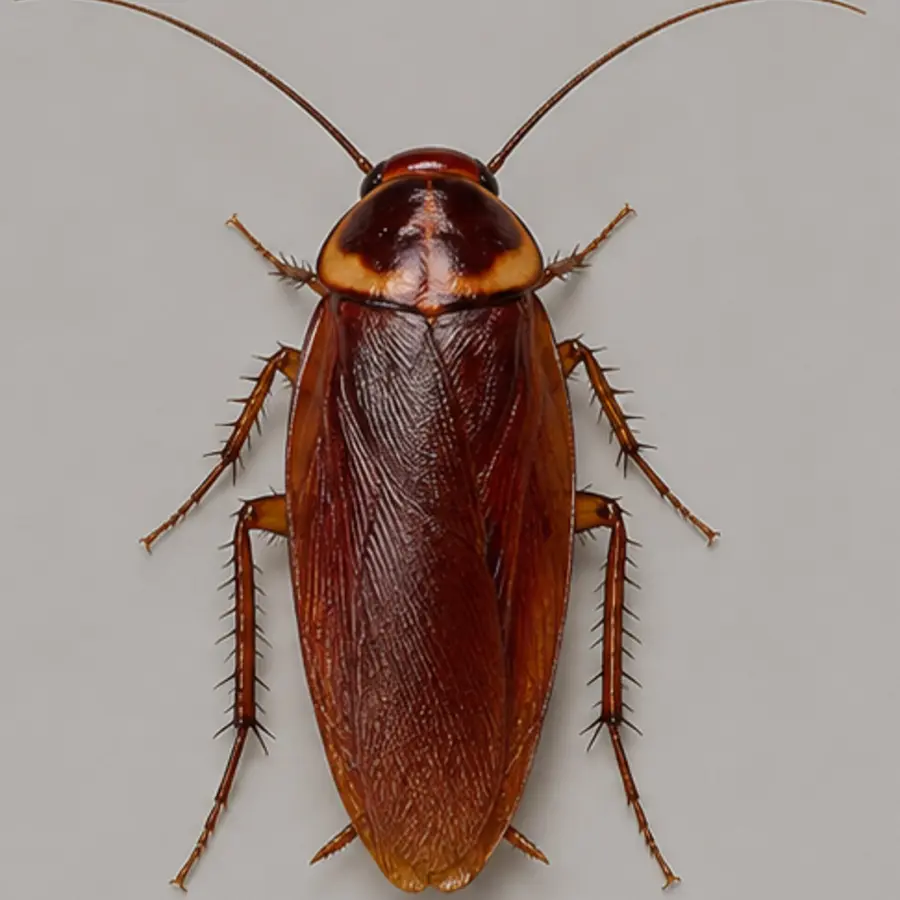
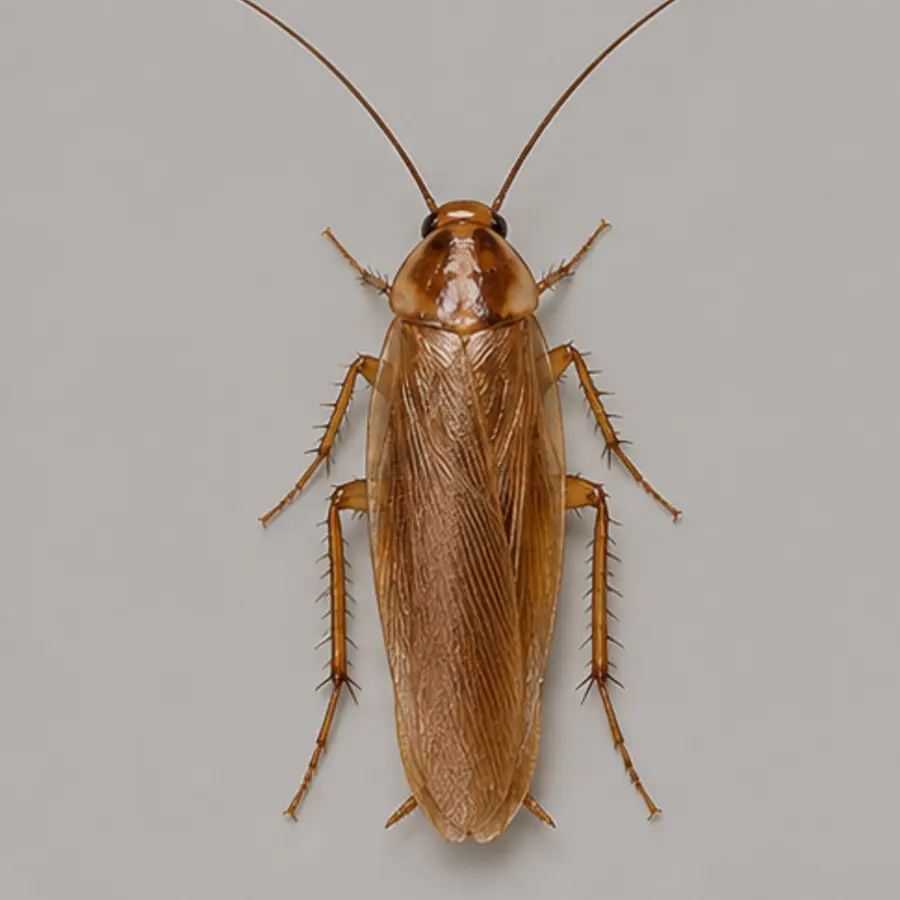
Top view field guide image of a large reddish brown American cockroach
Identification profile

American cockroach

Periplaneta americana

Typical size
Commonly about 1 1/2 inches or longer as an adult
Distinguishing marks
Large reddish brown body with a pale yellow margin on the shield behind the head.
Where found
Warm, damp utility spaces, drains, sewer associated areas, basements, pipe chases, and commercial buildings.
Infestation signs
Large droppings, egg cases, musty odor, and activity near drains or utility penetrations.
Why it matters
Movement through waste associated areas can create sanitation and food contamination concerns.
When to request diagnosis
Inspection helps trace plumbing, utility, moisture, and exterior routes that support reinvasion.
Request an Appointment ↗
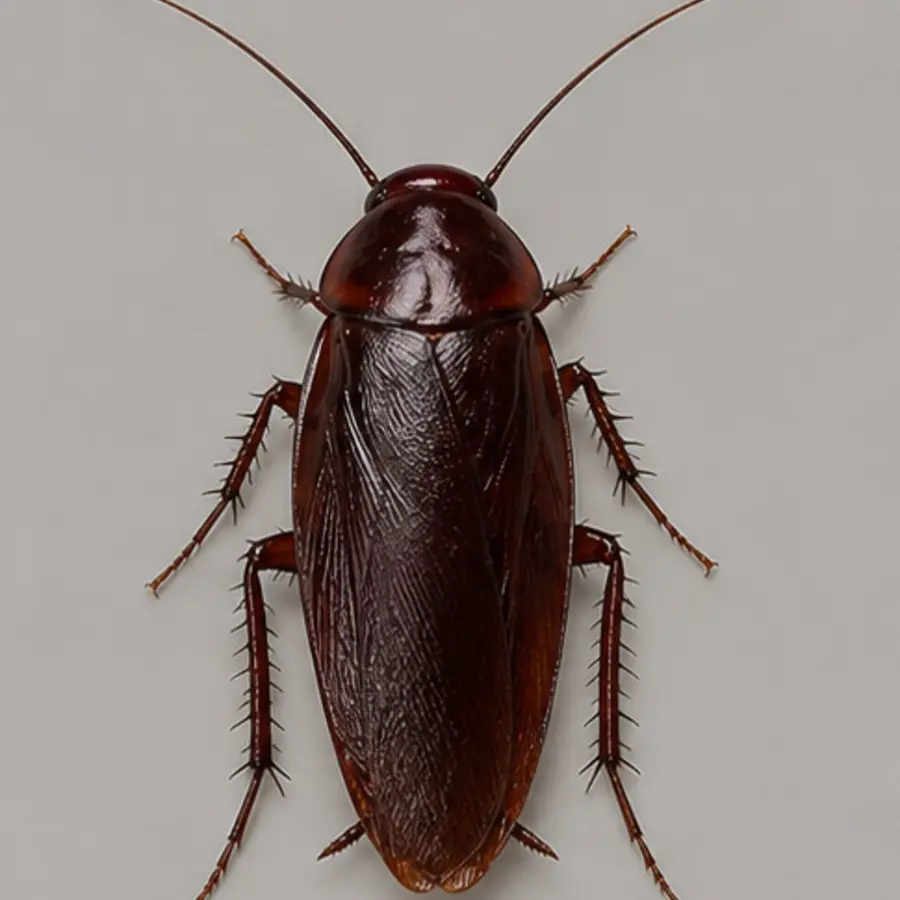
Top view field guide image of a uniformly dark mahogany smokybrown cockroach
Identification profile

Smokybrown cockroach

Periplaneta fuliginosa

Typical size
About 1 1/4 to 1 1/2 inches as an adult
Distinguishing marks
Uniform glossy dark mahogany coloration without the pale pronotal margin of the American cockroach.
Where found
Moist exterior sites such as tree holes, mulch, gutters, roof voids, and vegetation; adults may move indoors.
Infestation signs
Large dark adults near lights, attics, eaves, gutters, or moisture affected exterior areas.
Why it matters
Outdoor populations can repeatedly enter structures when moisture, shelter, and access remain available.
When to request diagnosis
Confirm the species and determine whether activity is breeding indoors or entering from exterior habitat.

Included for comparison. Property specific identification is required before assuming local establishment.

Request an Appointment ↗
Top view field guide image of a tan Asian cockroach with long developed wings
Identification profile

Asian cockroach

Blattella asahinai

Typical size
Roughly 1/2 to 5/8 inch as an adult
Distinguishing marks
Very similar to the German cockroach, but adults are strong fliers with longer wings and are often active outdoors around light.
Where found
Leaf litter, lawns, and shaded exterior sites in regions where established; adults may fly toward lights.
Infestation signs
Small tan cockroaches flying from exterior vegetation rather than clustering in indoor kitchen harborages.
Why it matters
A lookalike can lead to the wrong control strategy if exterior flight behavior is overlooked.
When to request diagnosis
Entomological confirmation is recommended because visual separation from German cockroaches can be difficult.

No claim of establishment in Oklahoma City is made on this website.

Request an Appointment ↗
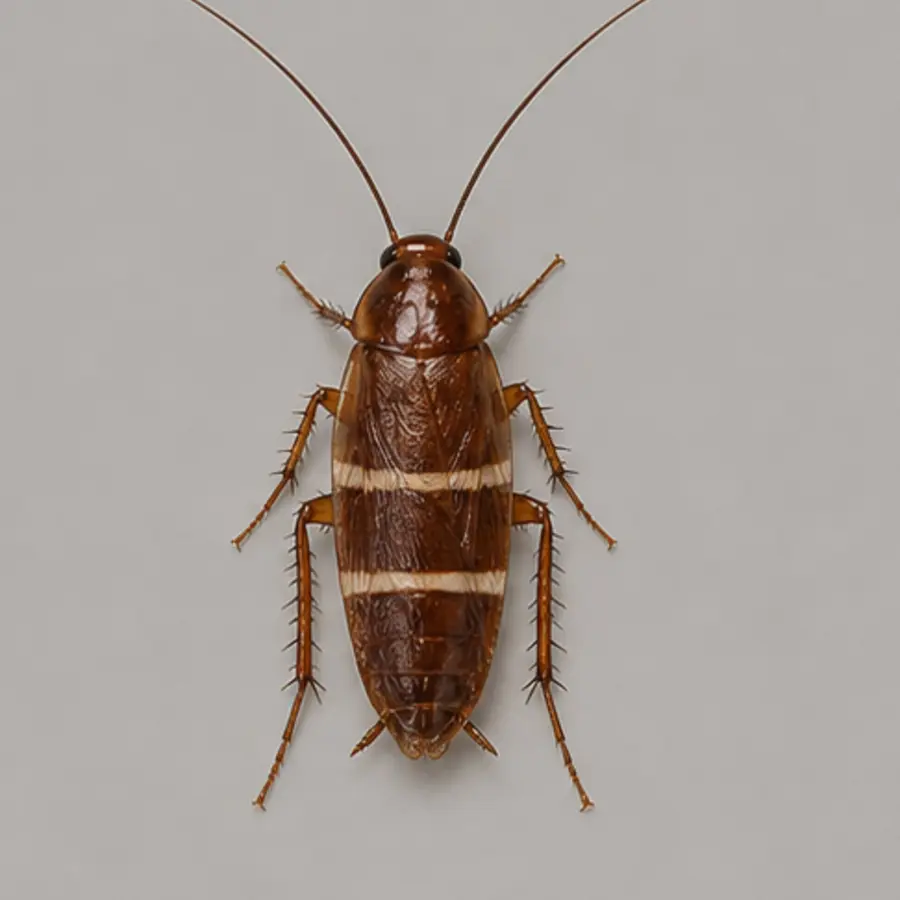
Top view field guide image of a small brown banded cockroach showing pale cross bands
Identification profile

Brown banded cockroach

Supella longipalpa

Typical size
About 1/2 inch as an adult
Distinguishing marks
Two pale transverse bands across the wings or abdomen; smaller and more patterned than large Periplaneta species.
Where found
Warmer, drier indoor areas, including upper cabinets, furniture, closets, electronics, and rooms away from plumbing.
Infestation signs
Pale banded nymphs, spotting, and egg cases attached to protected elevated surfaces.
Why it matters
Dispersed dry harborages can make the infestation harder to map with kitchen focused inspection alone.
When to request diagnosis
Professional diagnosis is useful when small cockroaches appear in bedrooms, offices, furniture, or upper rooms.
Request an Appointment ↗
Rodent identification center

Species changes
the strategy.

Correct identification helps determine exclusion, sanitation, trapping, and treatment strategy. Droppings or damage alone may not identify the species conclusively.

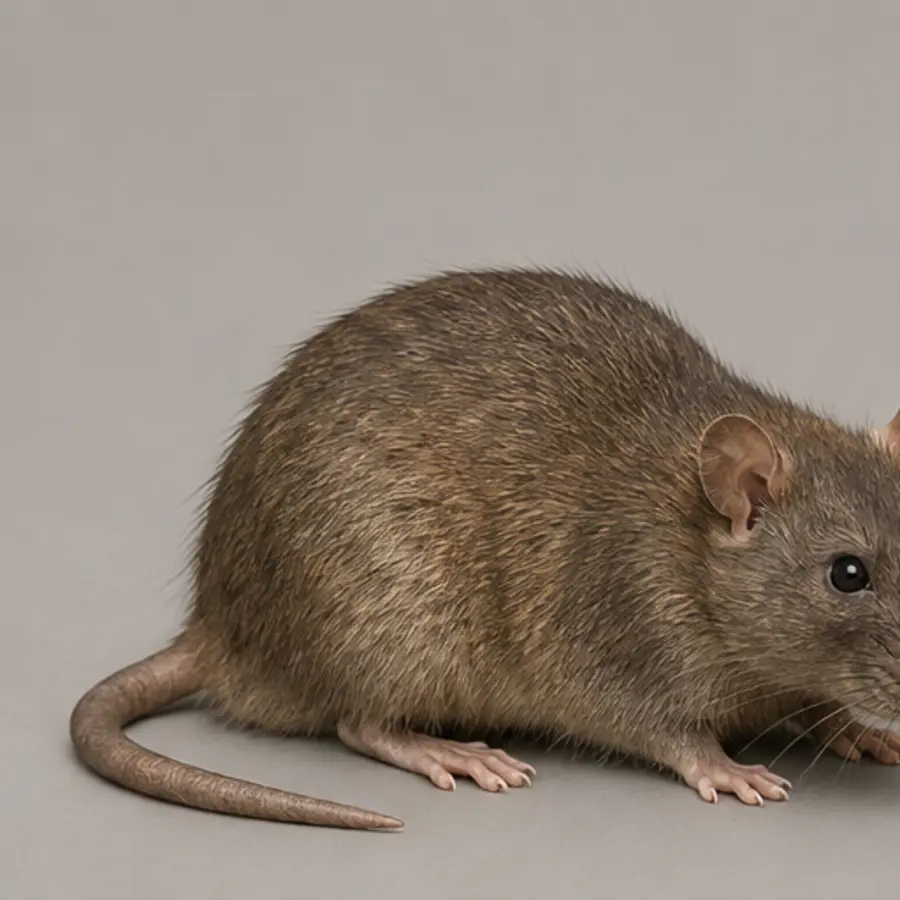
Field guide portrait of a Norway rat with a heavy body and blunt muzzle
Identification profile

Norway rat

Rattus norvegicus

Typical size
Heavy bodied rat; the tail is usually shorter than the head and body combined
Distinguishing marks
Blunt muzzle, small ears relative to the head, coarse brown gray coat, and a thick scaly tail.
Where found
Burrows, lower levels, crawl spaces, utility areas, sewers, loading zones, and protected ground level routes.
Infestation signs
Capsule shaped droppings, gnawing, burrows, rub marks, tracks, damaged food packaging, and established runways.
Why it matters
Contamination, stored product loss, and gnawing damage are distinct concerns; appearance alone cannot show whether a rodent carries a pathogen.
When to request diagnosis
Inspection should map entry points, food, water, nesting sites, travel routes, and conditions around the structure.
Request an Appointment ↗
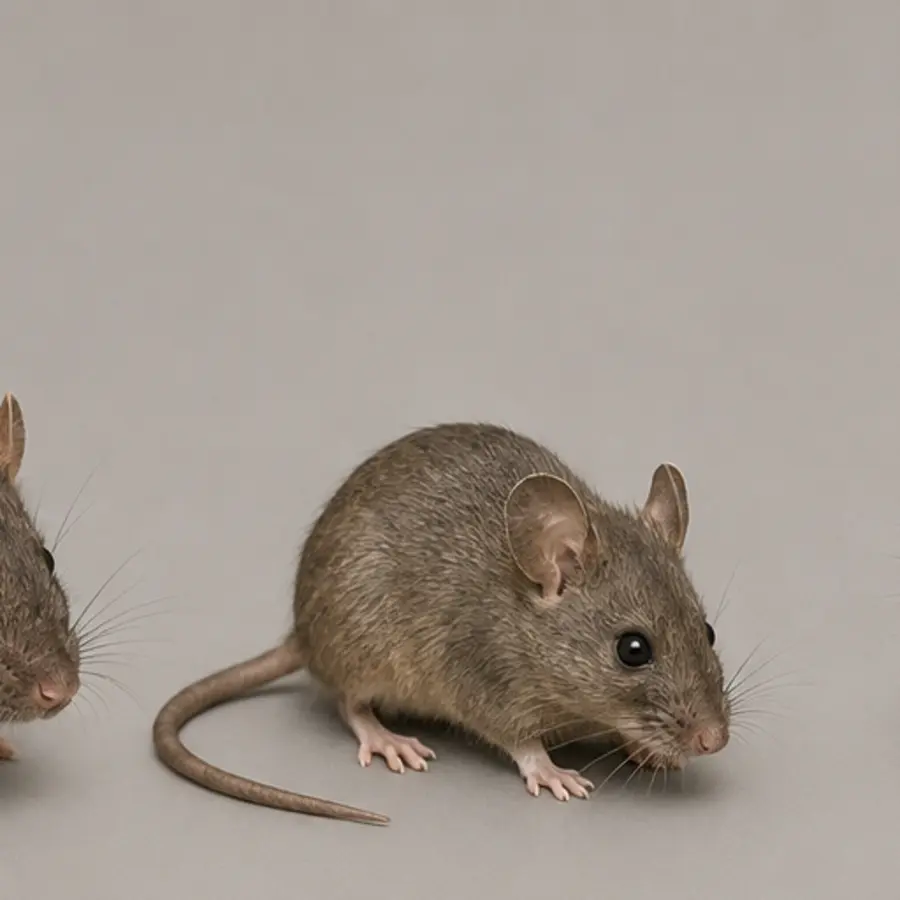
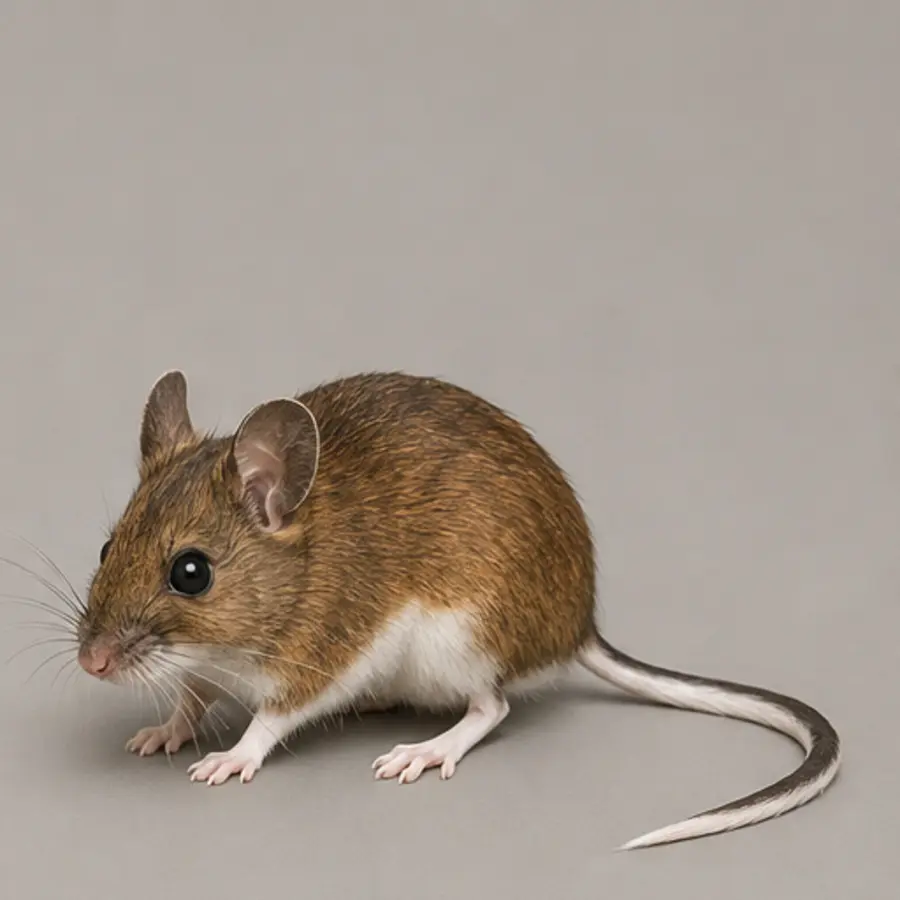
Field guide portrait of a gray house mouse with large ears and a narrow muzzle
Identification profile

House mouse

Mus musculus

Typical size
About 5 to 7 inches including the tail and usually under one ounce
Distinguishing marks
Small gray brown body, relatively large ears, small black eyes, narrow muzzle, and a mostly uniform tail.
Where found
Cabinets, wall voids, storage, insulation, equipment areas, and other protected sites close to food.
Infestation signs
Small pointed droppings, shredded nesting material, fine gnaw marks, musky odor, tracks, and food contamination.
Why it matters
Mice can contaminate food and surfaces and damage property while using openings narrower than many homeowners expect.
When to request diagnosis
Correct identification guides durable exclusion, sanitation, trapping placement, and monitoring.

Oklahoma State University documents the house mouse around homes and commercial structures.

Request an Appointment ↗
Field guide portrait of a deer mouse showing white feet and sharply contrasting white underside
Identification profile

Deer mouse

Peromyscus species

Typical size
Small mouse with a long, distinctly two toned tail
Distinguishing marks
Brown or gray upper body with a sharply white underside and feet; the tail is often dark above and pale below.
Where found
Garages, sheds, barns, cabins, stored materials, and structures near fields or natural habitat.
Infestation signs
Small droppings, seed caches, shredded nesting material, gnawing, and activity near exterior storage.
Why it matters
Rodent associated health claims depend on species, exposure, geography, and pathogen status. Do not infer disease from appearance.
When to request diagnosis
Species separation from house mice can affect cleanup guidance, exclusion priorities, and trapping strategy.
Request an Appointment ↗
Health claims require context.

A rodent’s appearance cannot show whether it carries a pathogen. Exposure route, species, geography, and public health guidance matter. Never sweep or vacuum dry rodent waste without following appropriate cleanup guidance.

Fly identification center

Not every fly
behaves the same.

House flies do not bite. Stable flies, horse flies, deer flies, and biting midges differ in mouthparts, breeding habitat, activity, and animal concerns.

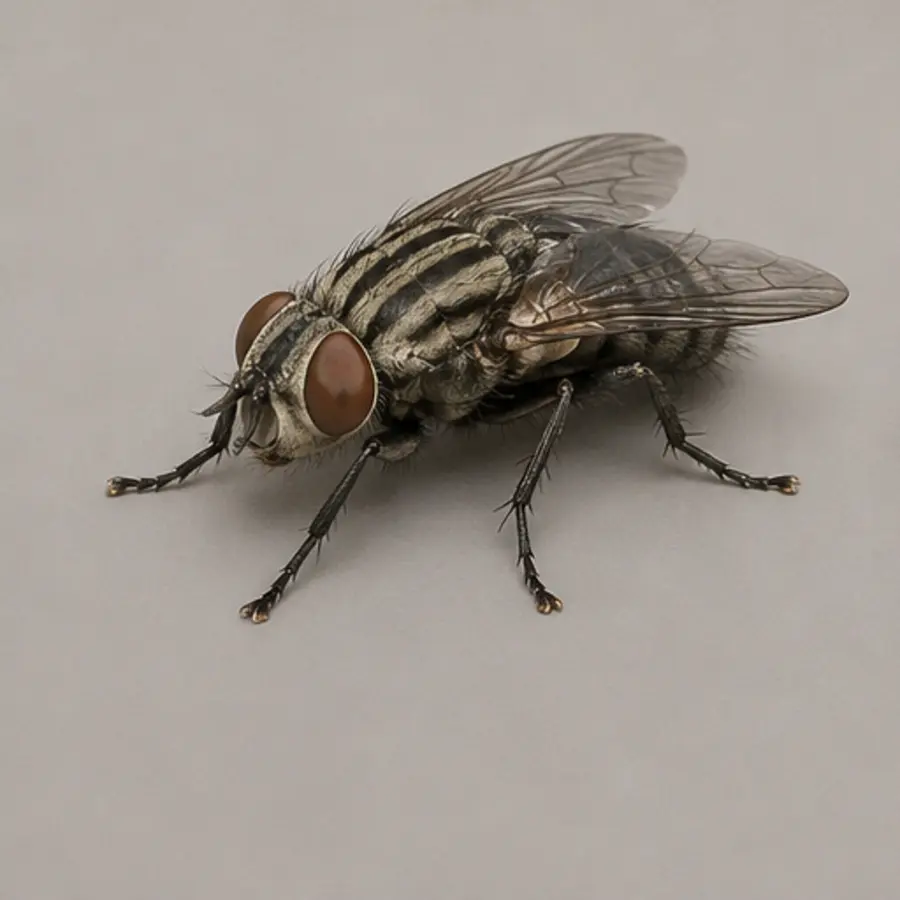
Field guide macro of a house fly showing four dark thoracic stripes
Identification profile

House fly

Musca domestica

Typical size
Approximately 1/4 to 3/8 inch
Distinguishing marks
Gray body, four dark stripes on the thorax, large reddish compound eyes, and one functional pair of wings.
Where found
Around decaying organic material, waste, manure, food handling areas, doors, windows, and refuse zones.
Infestation signs
Repeated adult activity, spotting on walls or lights, and larvae or pupae near suitable organic breeding material.
Why it matters
Movement between waste and food or food contact surfaces creates a sanitation and contamination concern.
When to request diagnosis
Assessment is appropriate when breeding material is not obvious or activity persists after sanitation changes.
Request an Appointment ↗
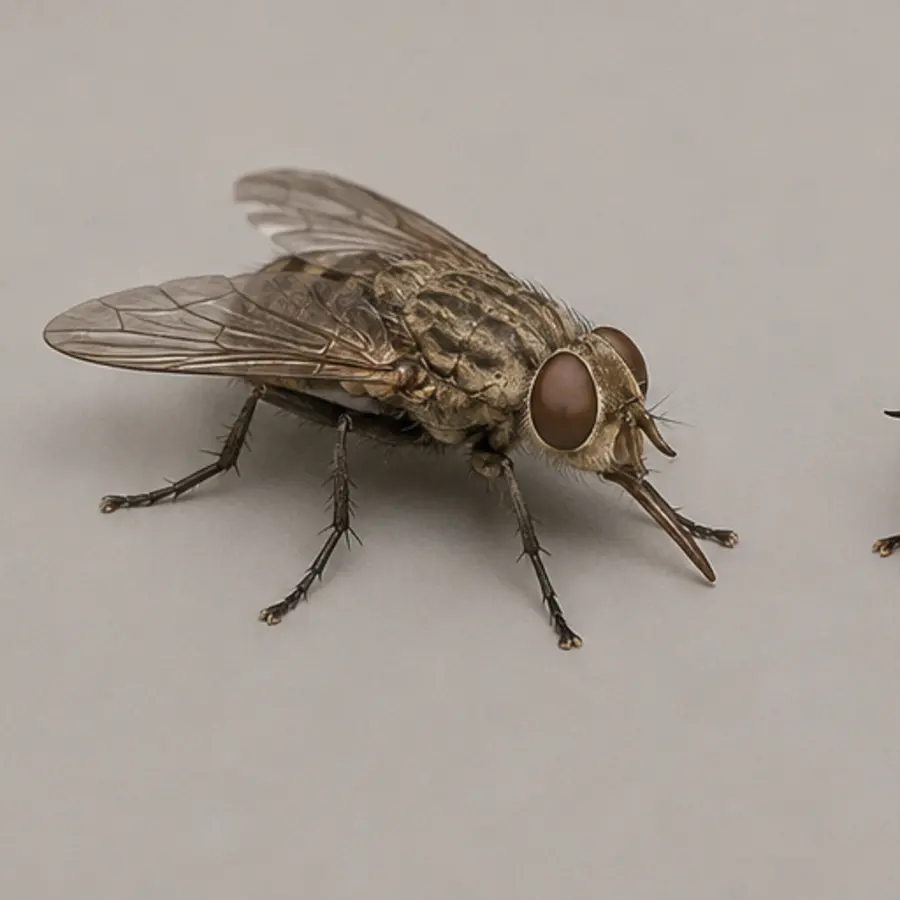
Field guide macro of a stable fly showing the rigid forward pointing mouthpart
Identification profile

Stable fly

Stomoxys calcitrans

Typical size
Approximately 1/4 to 3/8 inch
Distinguishing marks
House fly lookalike with a rigid forward pointing piercing mouthpart and patterned abdomen.
Where found
Wet mixtures of manure, hay, grass clippings, spilled feed, and other fermenting plant material, especially near animals.
Infestation signs
Painful biting around lower legs and animals, repeated landing, and breeding material near barns or stored organic matter.
Why it matters
Both sexes take blood meals. Activity can affect people and animals, but a bite does not establish disease.
When to request diagnosis
Professional assessment can separate stable flies from nonbiting house flies and locate breeding material.

Oklahoma State University includes stable flies among relevant fly pests around suburban horse properties.

Request an Appointment ↗
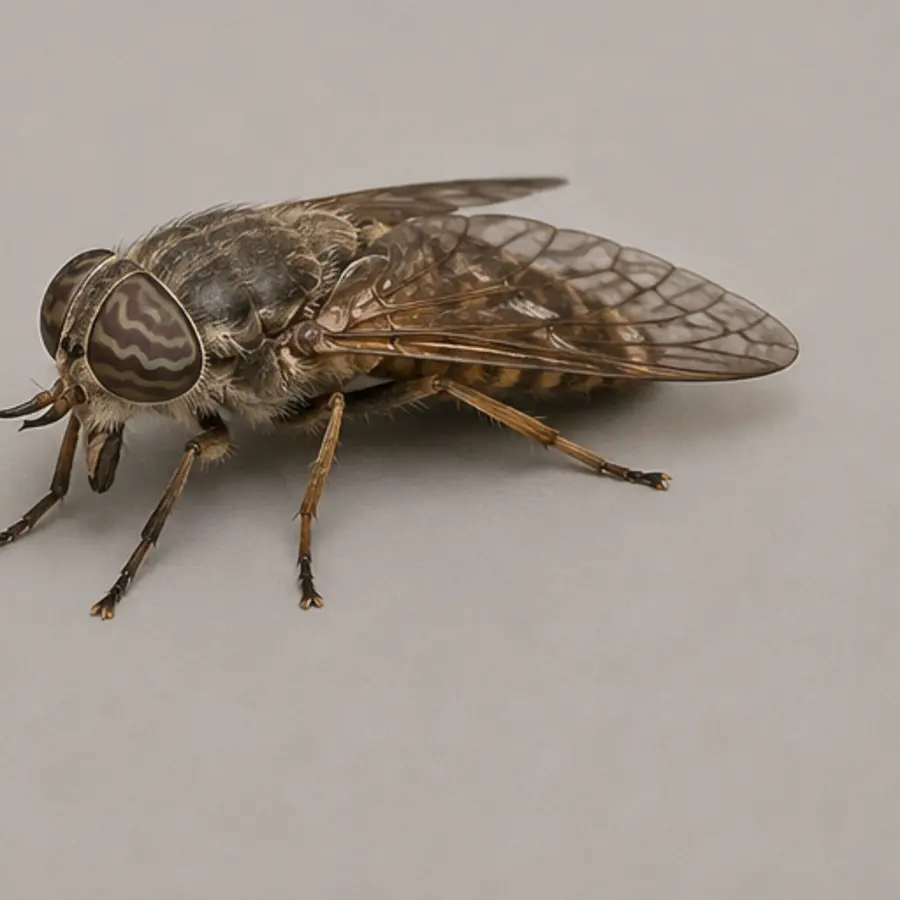
Field guide macro of a large horse fly with patterned compound eyes
Identification profile

Horse and deer flies

Tabanidae

Typical size
Commonly 1/2 to 1 1/2 inches, depending on species
Distinguishing marks
Robust flies with large eyes; deer flies often show patterned wings while horse flies are typically larger.
Where found
Adults are associated with wooded edges, wetlands, livestock, and outdoor environments; larvae develop in aquatic or semiaquatic sites.
Infestation signs
Persistent outdoor circling and painful daytime bites to people or animals.
Why it matters
Female flies take blood meals. Animal specific disease prevention questions belong with a veterinarian.
When to request diagnosis
Assessment is appropriate when activity is intense, animals are affected, or the breeding and resting habitat is unclear.

Oklahoma State University describes horse and deer flies as Oklahoma biting fly groups.

Request an Appointment ↗
Oklahoma City termite center

Native subterranean termites deserve the focus.

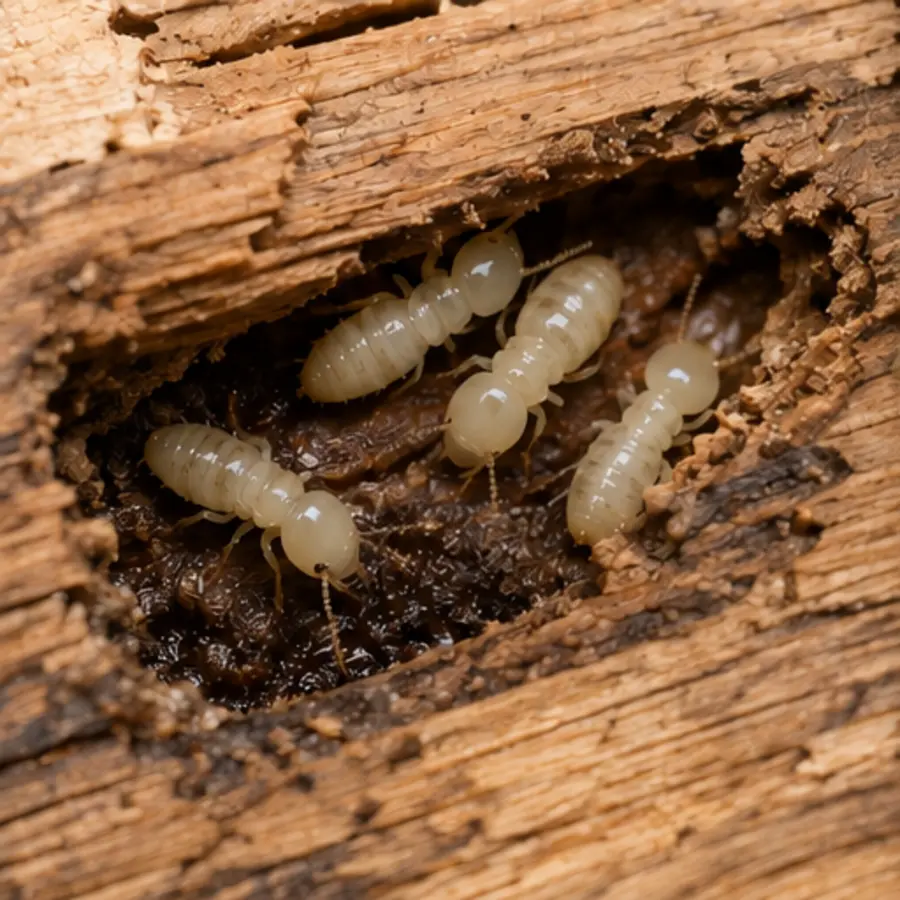
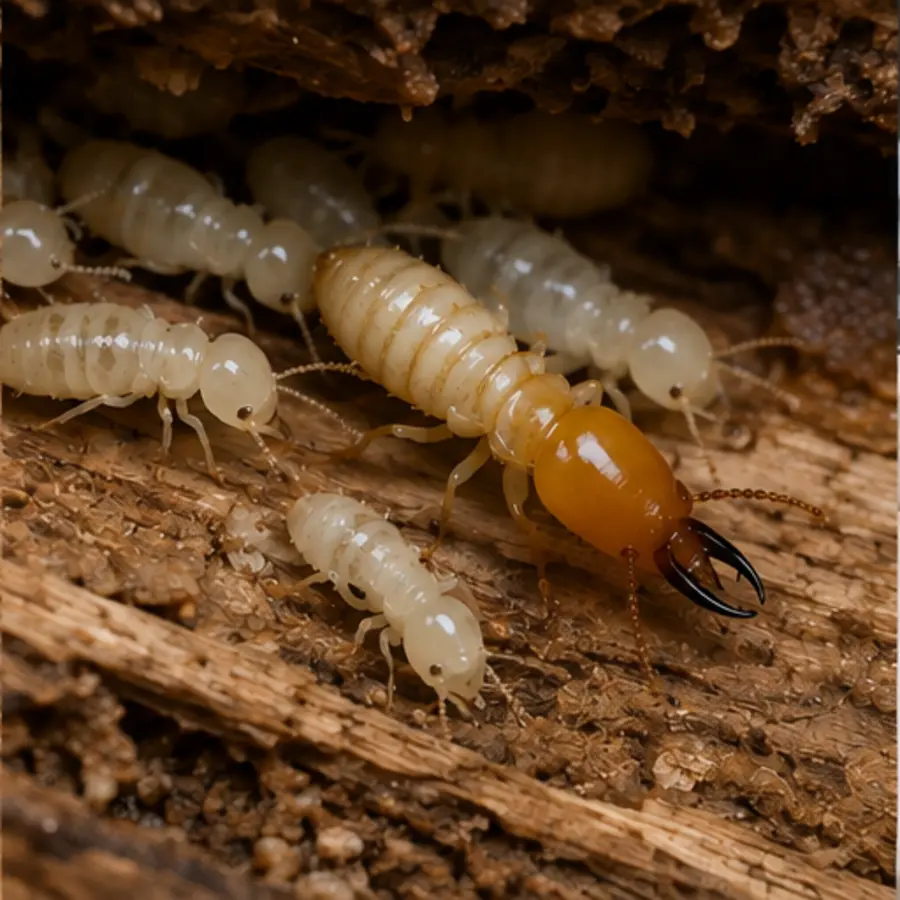
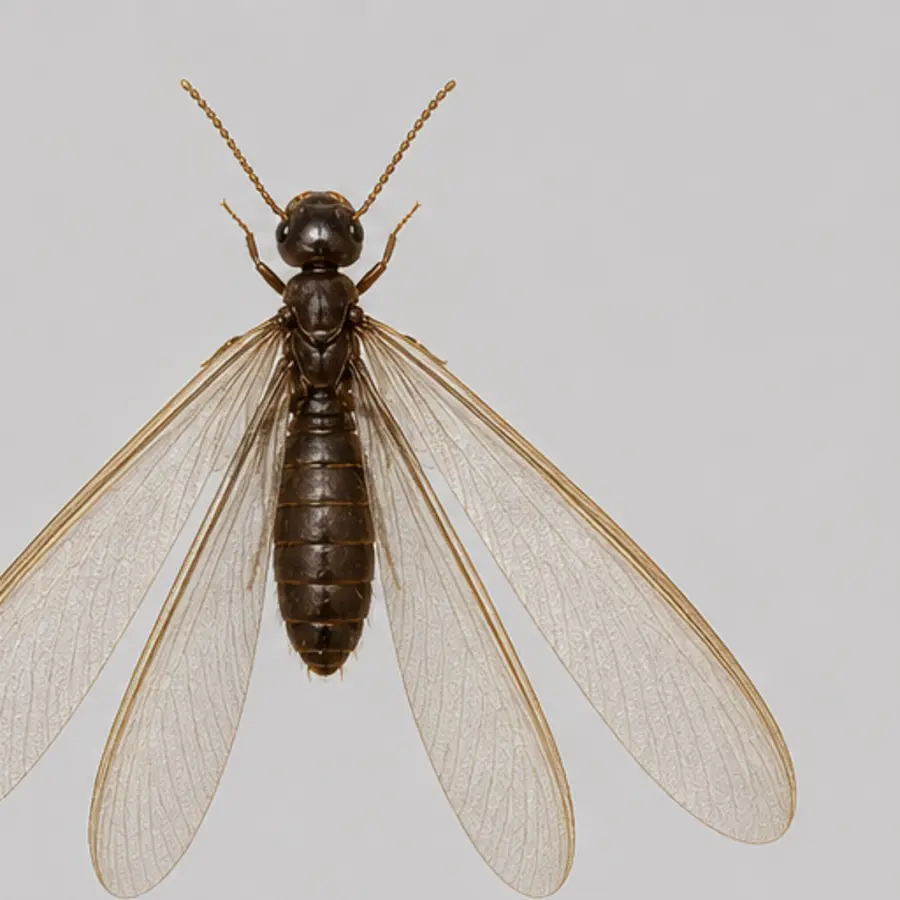
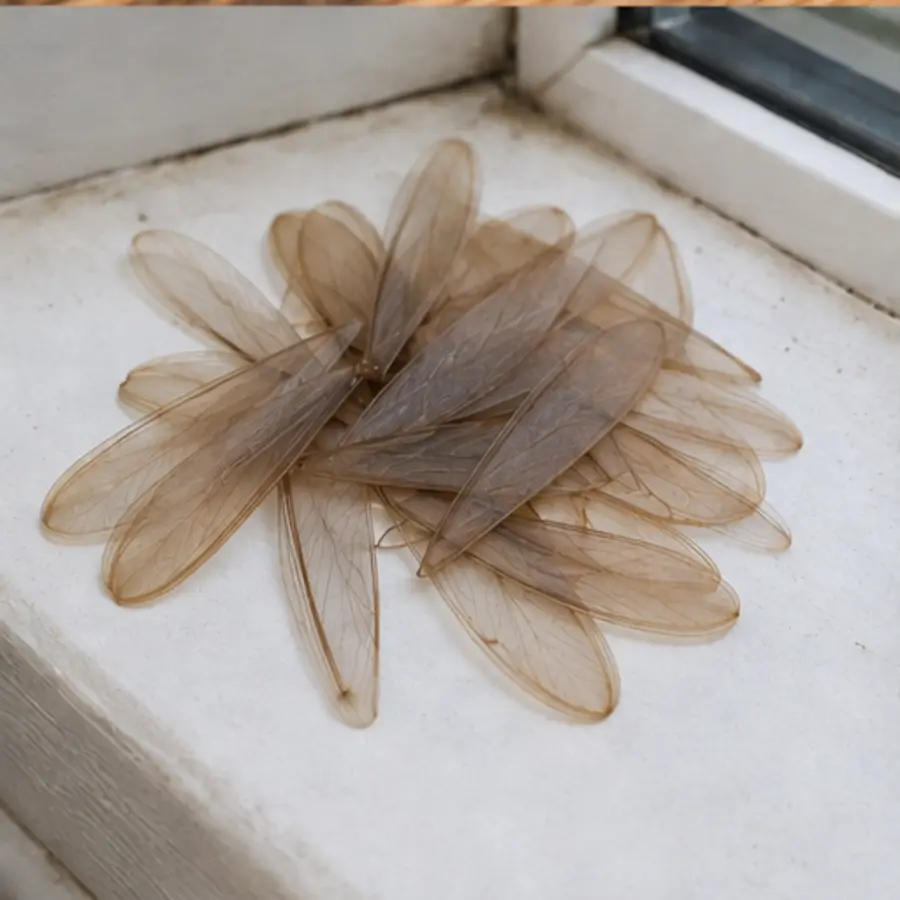
Oklahoma State University documents subterranean termites in the genus Reticulitermes. Workers feed and maintain the colony. Soldiers defend it. Winged reproductives leave during favorable conditions and may leave equal length discarded wings.

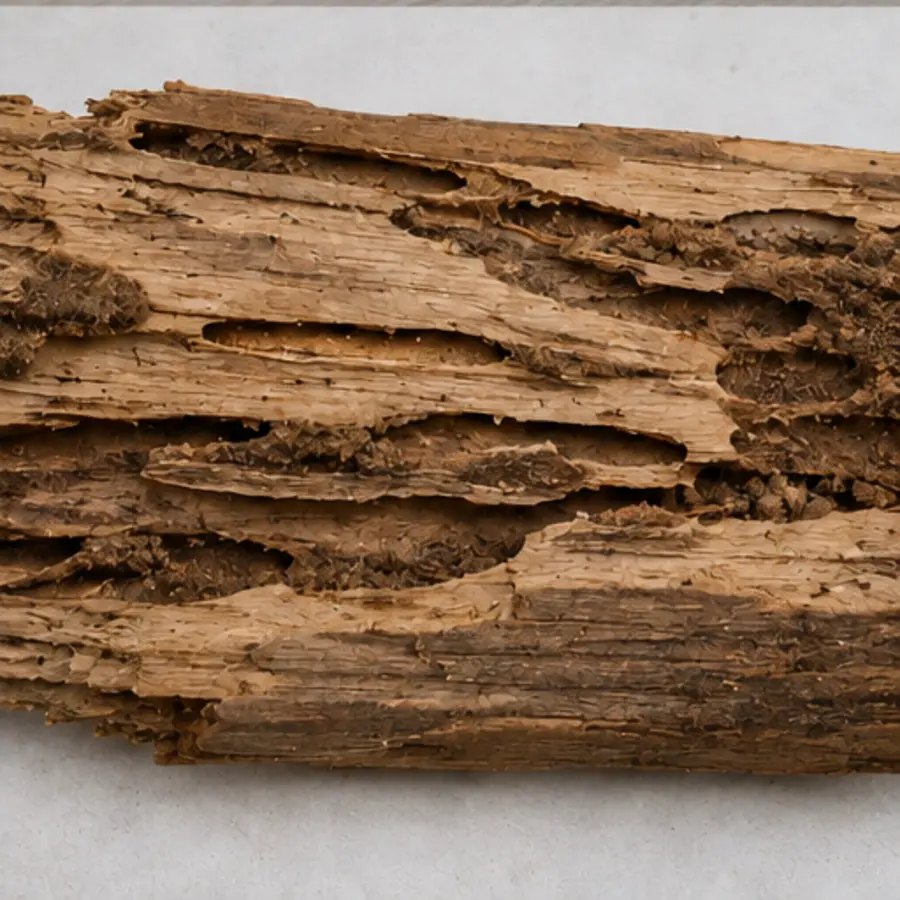
Termite evidence showing worker
01

Worker

Pale, wingless, soft bodied; workers are the caste that damages wood.

Termite evidence showing soldier
02

Soldier

Amber head and enlarged mandibles used to defend the colony.

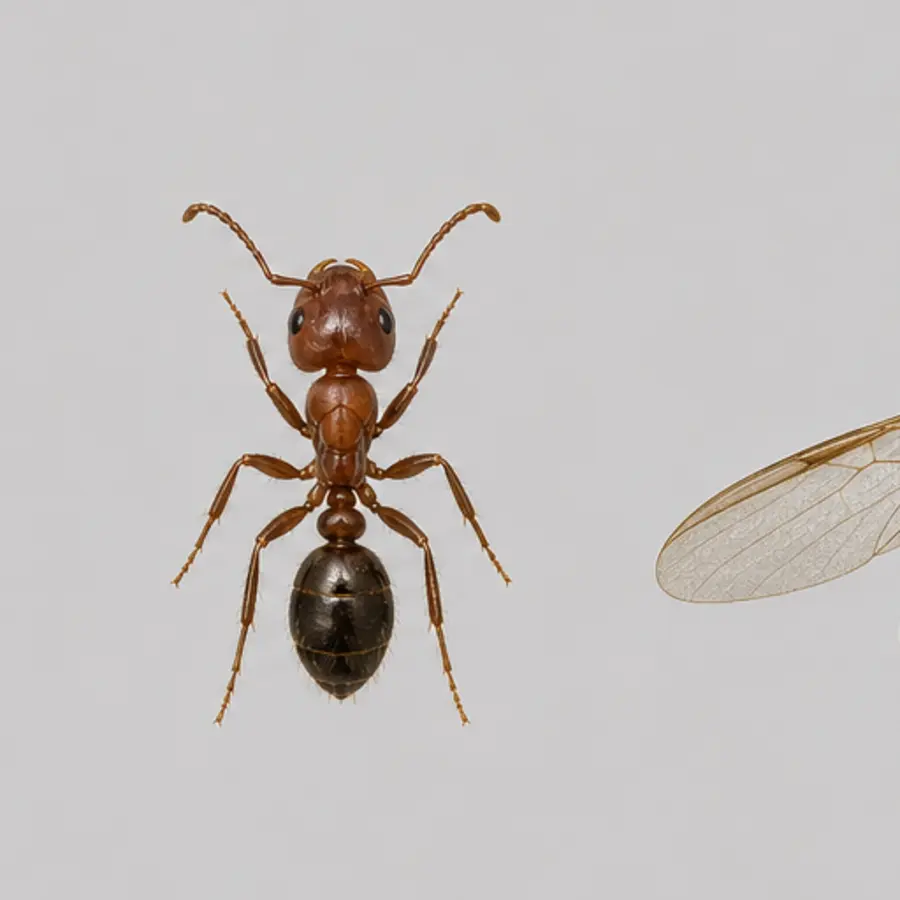
Termite evidence showing swarmer
03

Swarmer

Dark body, straight antennae, thick waist, and two equal pairs of wings.

Termite evidence showing discarded wings
04

Discarded wings

Equal length wings near windows or vents can be a warning sign.

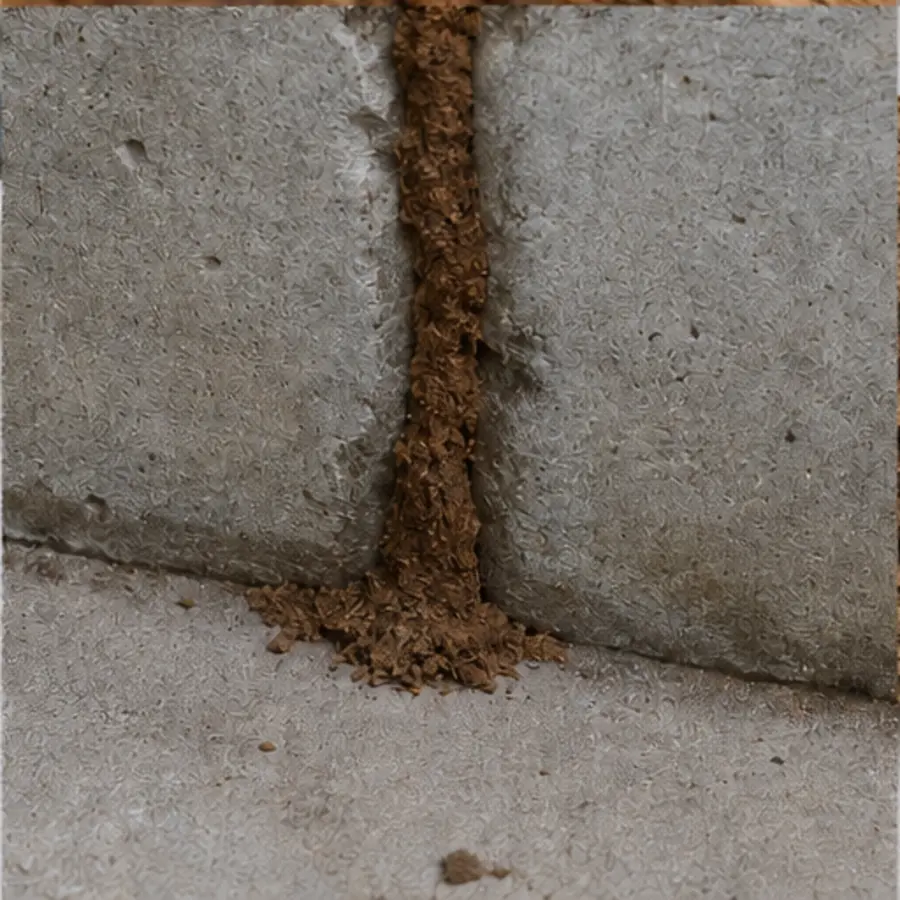
Termite evidence showing mud tubes
05

Mud tubes

Earthen shelter tubes protect movement between soil and wood.

Termite evidence showing wood evidence
06

Wood evidence

Galleries and concealed softness require careful inspection.

Termite swarmer or ant?

Termites have straight beadlike antennae, a broad waist, and two pairs of similar sized wings. Winged ants have elbowed antennae, a pinched waist, and smaller hind wings.

This center does not present drywood termites as indigenous Oklahoma City termites.

Oklahoma ant identification center

Follow the ant.
Then read the site.

Species, colony structure, food preference, moisture, nest location, and seasonal activity change the plan. These profiles are limited to ants supported by Oklahoma sources.

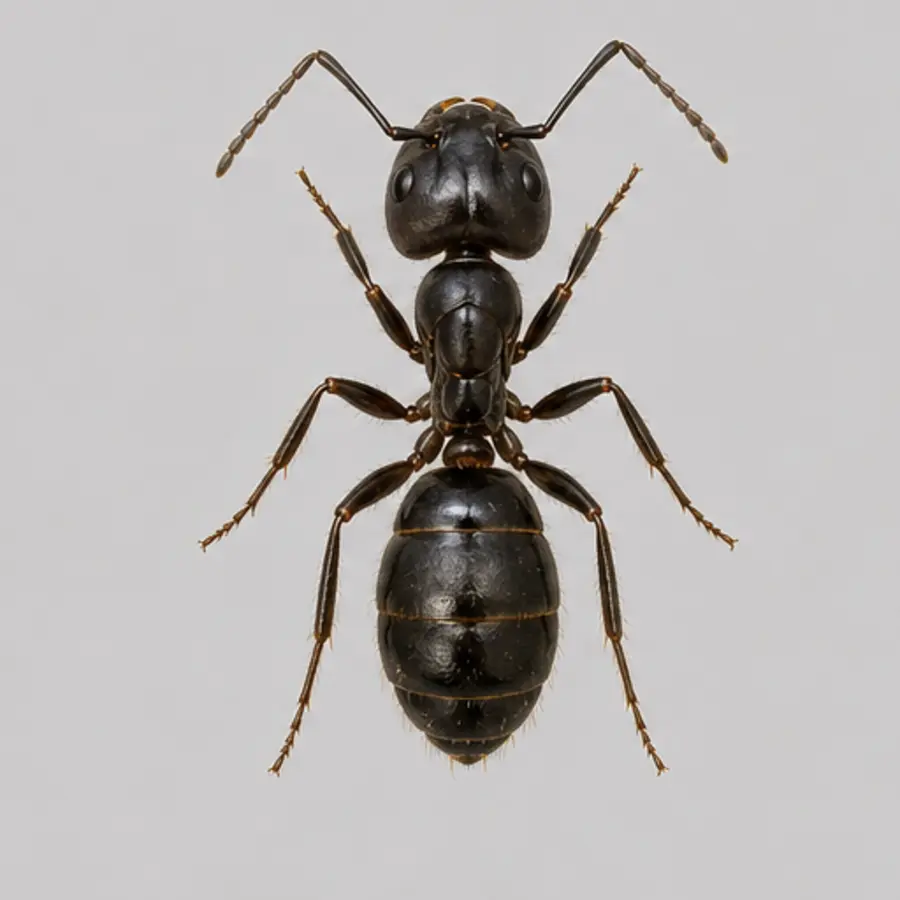
Field guide macro of a large black carpenter ant with a smoothly rounded thorax
Identification profile

Carpenter ants

Camponotus species

Typical size
Workers about 1/4 inch; queens can approach 3/4 inch
Distinguishing marks
Large black or red and black ants, elbowed antennae, one waist node, and a smoothly rounded upper thorax.
Where found
Moisture affected wood, trees, stumps, porch pillars, rooflines, window sills, and structural voids.
Infestation signs
Large workers, winged ants, fine wood debris, satellite nests, or activity from moisture affected wood.
Why it matters
They excavate galleries rather than eat wood. OSU notes most building damage is cosmetic, but moisture and nest location deserve evaluation.
When to request diagnosis
Confirm the species and determine whether the colony is inside, outside, or using satellite nests.

Documented by Oklahoma State University.

Request an Appointment ↗
Field guide macro of a reddish brown imported fire ant worker
Identification profile

Imported fire ants

Solenopsis invicta and related imported fire ants

Typical size
Workers vary from about 1/16 to 1/4 inch
Distinguishing marks
Reddish brown workers of visibly different sizes within the same colony; two waist nodes and a darker abdomen.
Where found
Outdoor soil mounds in lawns, fields, parks, and disturbed ground in established areas.
Infestation signs
Soil mounds without an obvious central opening and rapid defensive activity when disturbed.
Why it matters
Workers can sting repeatedly. Reactions vary, and serious allergic reactions require medical attention.
When to request diagnosis
Distribution is not uniform across Oklahoma. Identification and property specific confirmation are essential before treatment.

OSU documents established populations primarily in counties along the Red River, not a blanket Oklahoma City claim.

Request an Appointment ↗
Featured health concerns

Clear risk.
No fear theater.

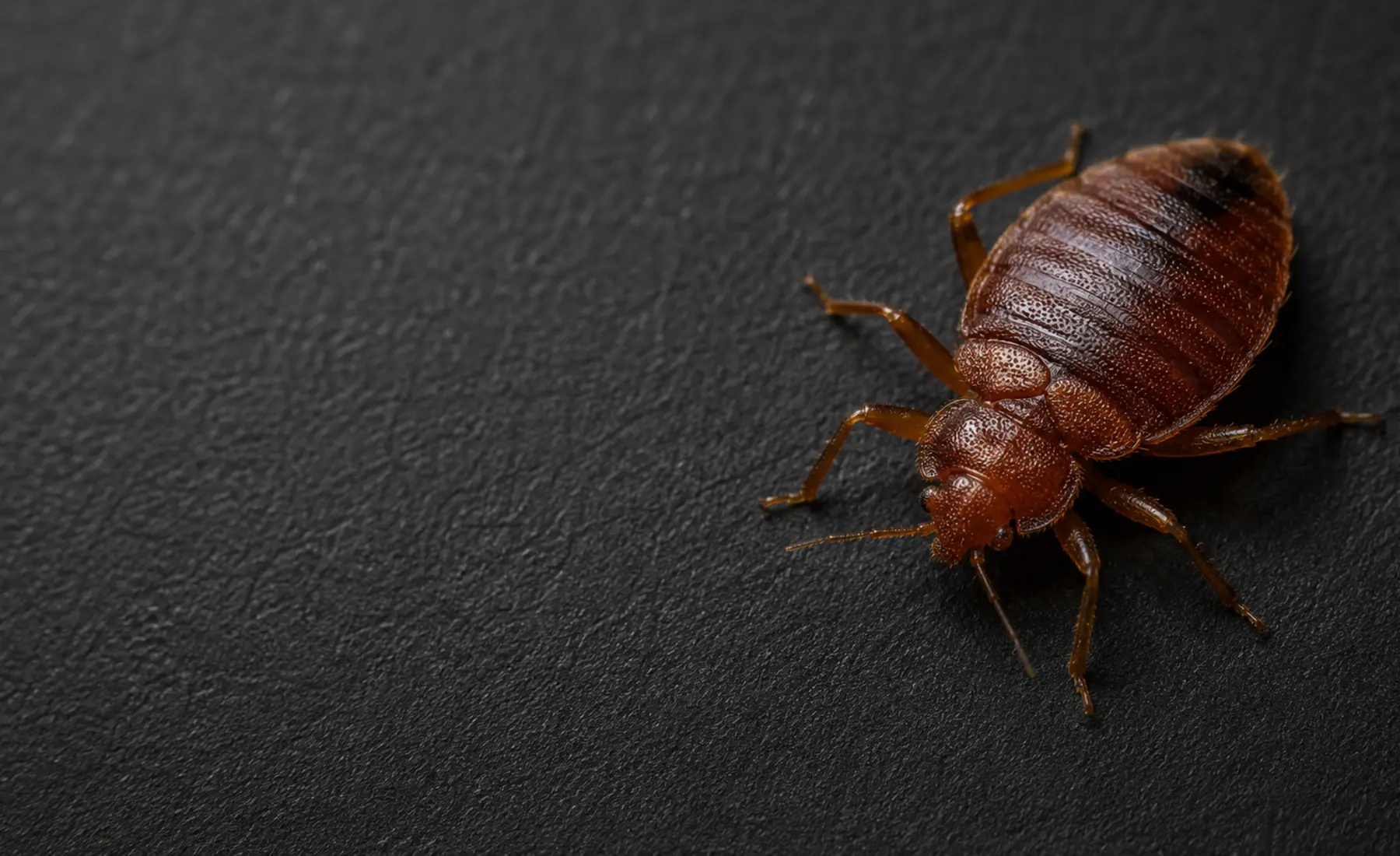
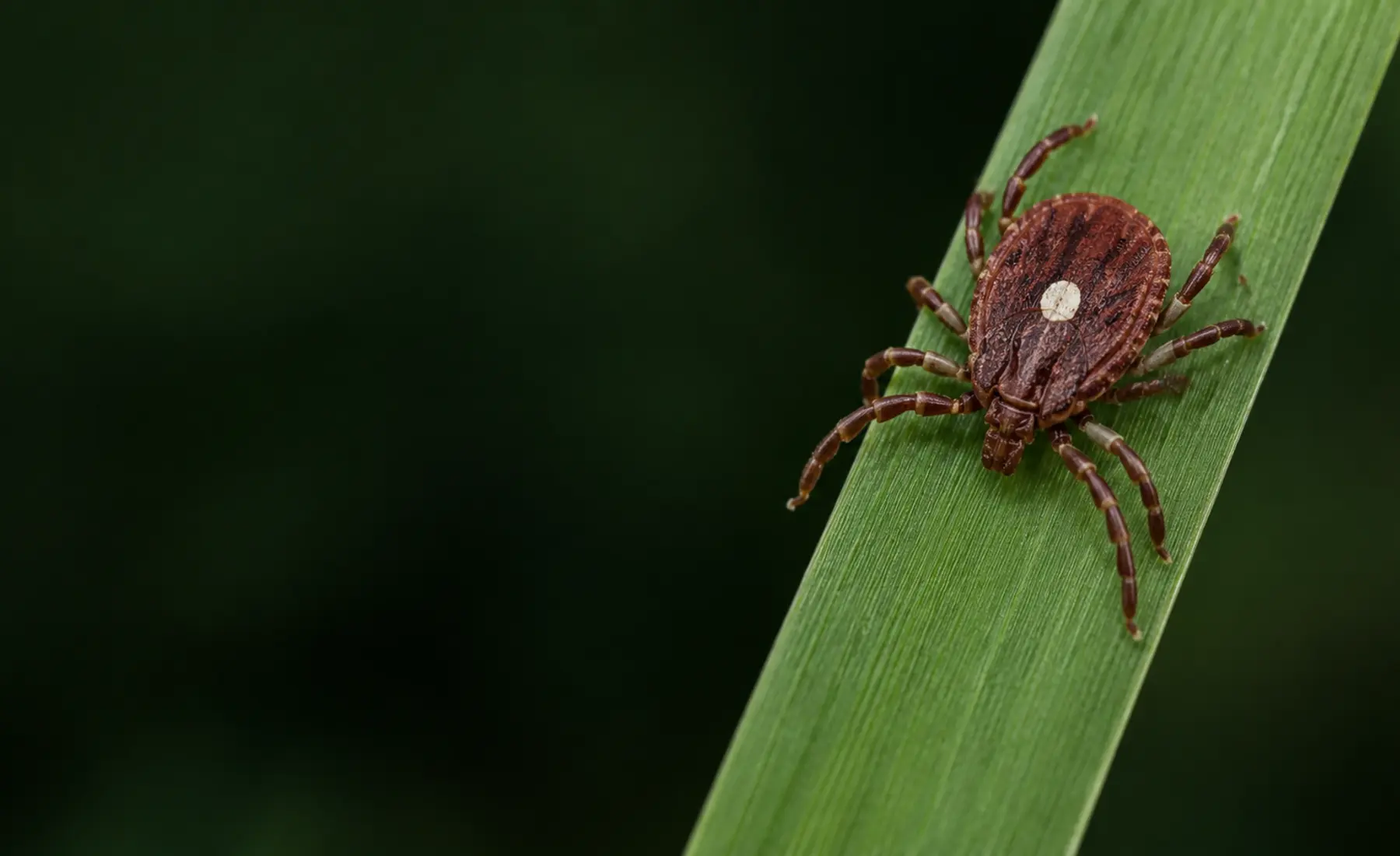
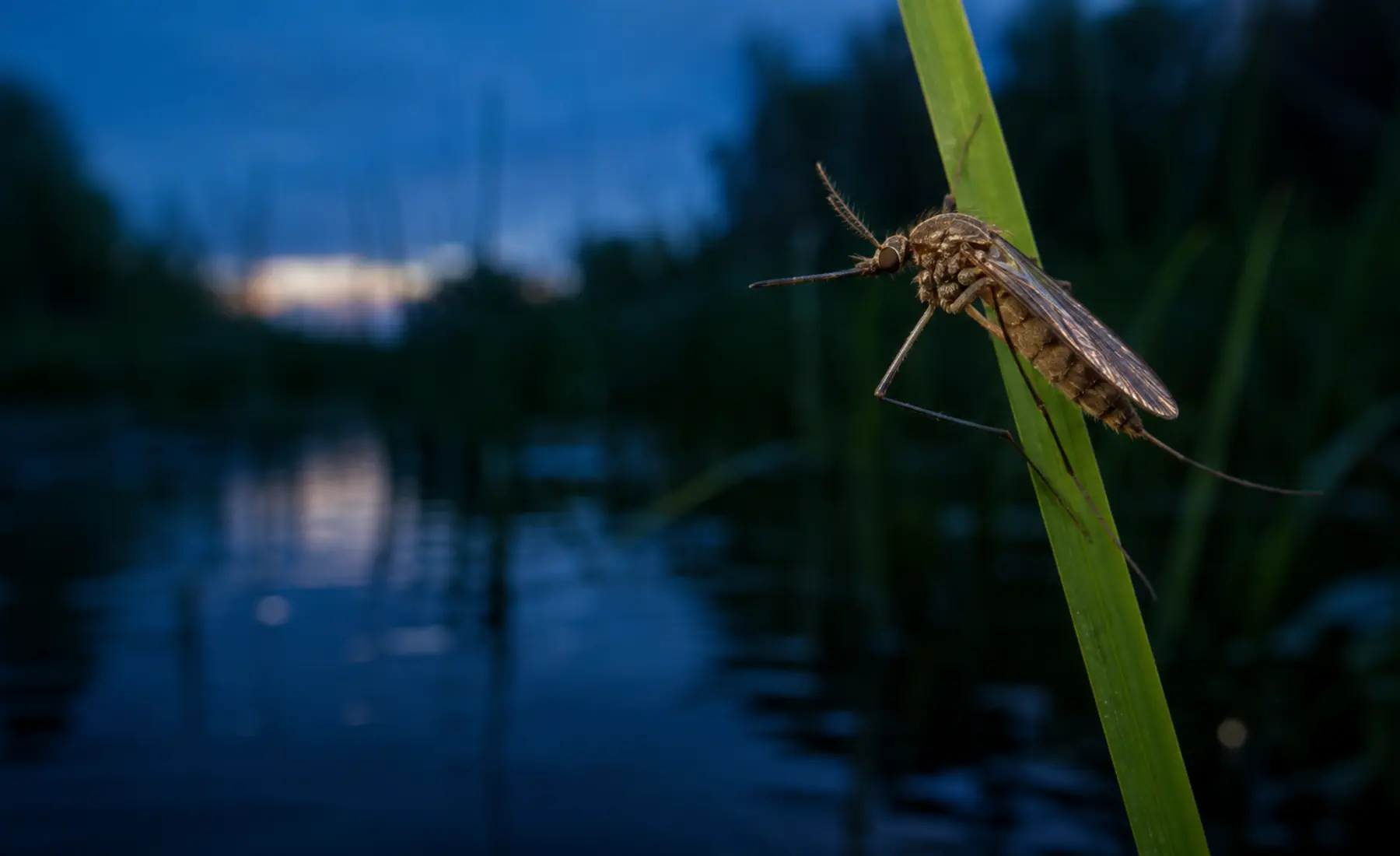
Bed bugs, ticks, and mosquitoes require more than a standard card. Each center separates pest evidence from medical diagnosis and links health statements to authoritative guidance.

Not Sure What Pest You Have?

That is what the inspection is for.

Tell us what you are seeing and where you are seeing it. The Pristine Pros can inspect the property, identify the pest when possible, evaluate contributing conditions, and recommend appropriate treatment options.

CallRequest Appointment