
01
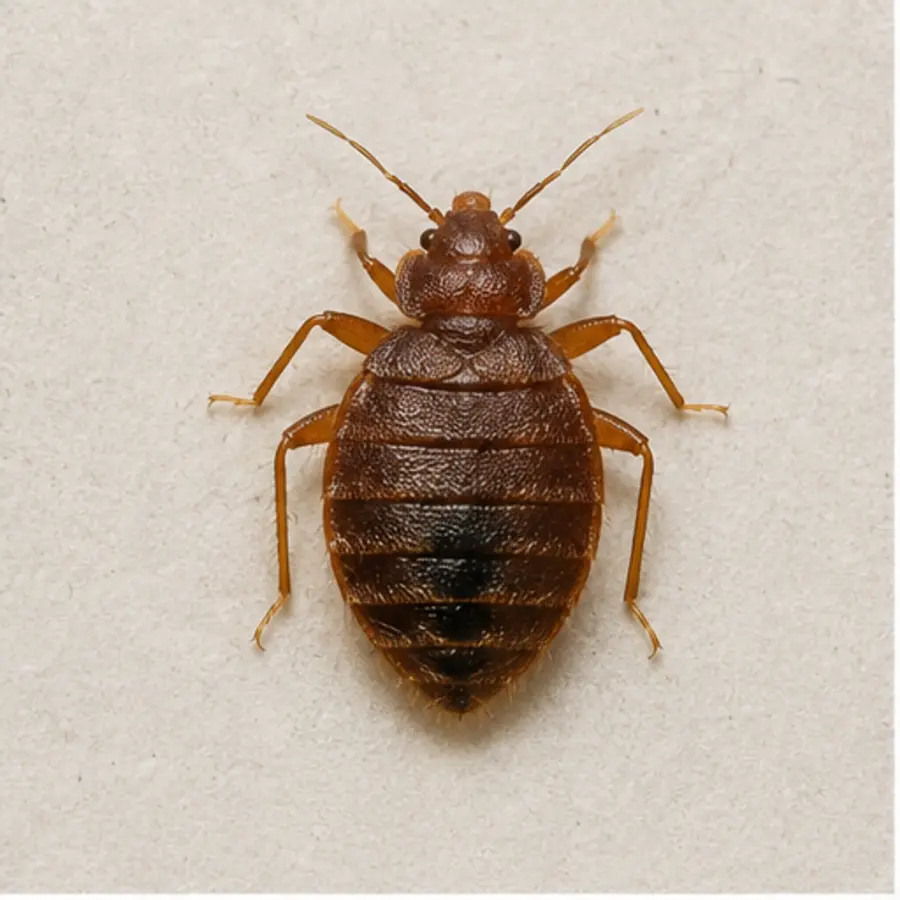
Adult
Flat, oval, wingless, reddish brown, and about 1 to 7 millimeters depending on life stage and feeding.
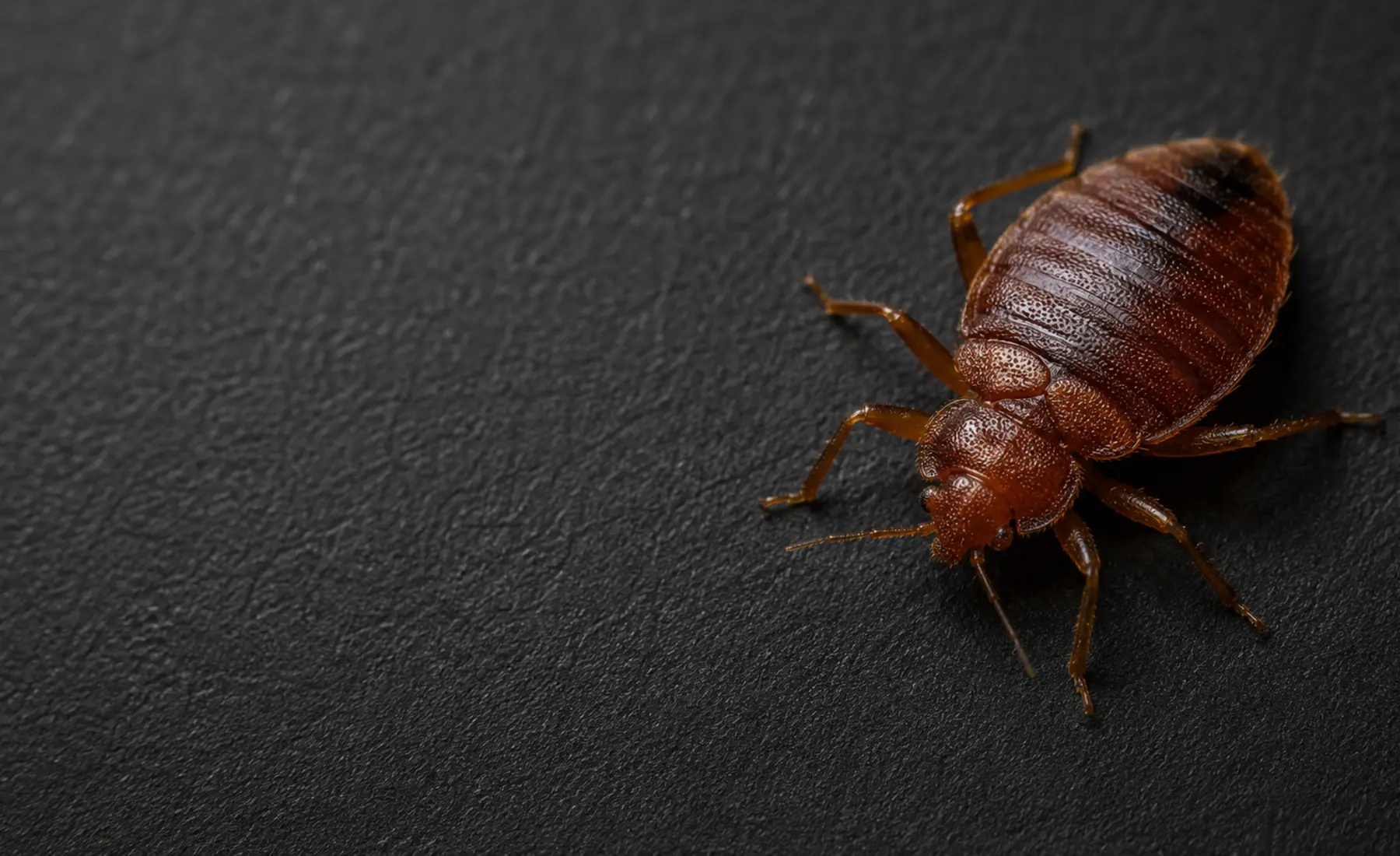
Bed bugs are visible insects with identifiable evidence, but skin reactions vary widely. Bites alone are not a reliable way to confirm an infestation.
Adult bed bugs are reddish brown, wingless, and about 1 to 7 millimeters. They hide in mattress seams, box springs, bed frames, headboards, furniture, cracks, and crevices near where people sleep or rest.
Flat, oval, wingless, reddish brown, and about 1 to 7 millimeters depending on life stage and feeding.
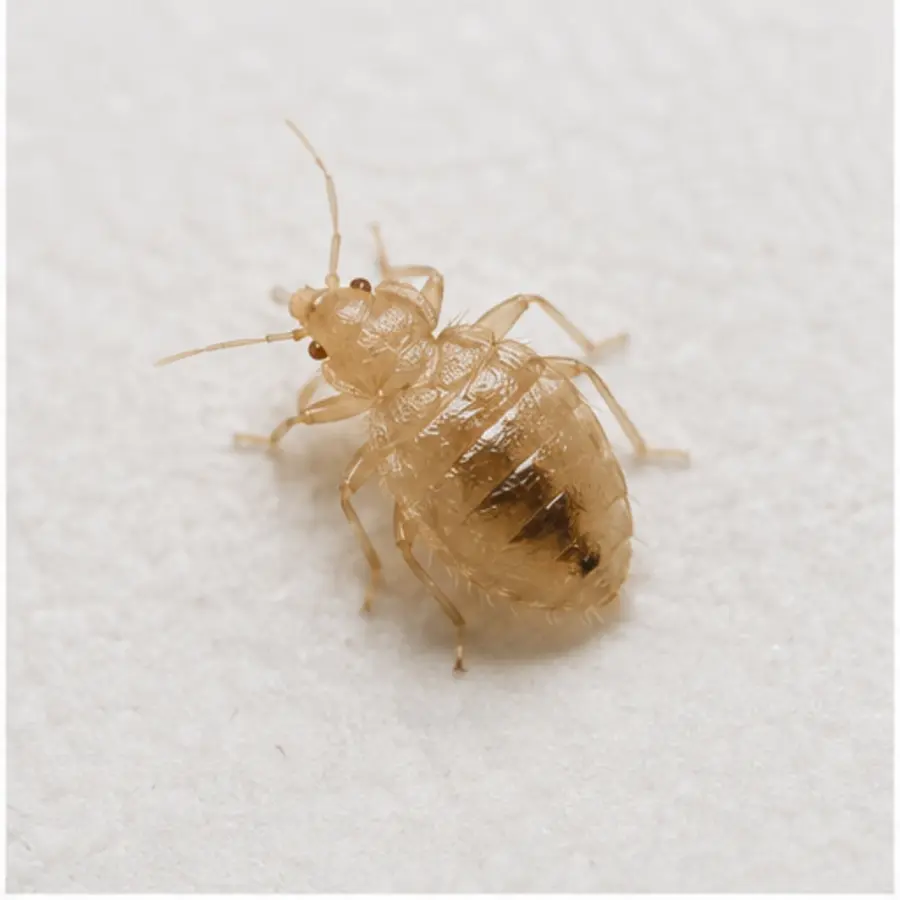
Smaller and paler than adults. Young nymphs can be difficult to see against light fabric.
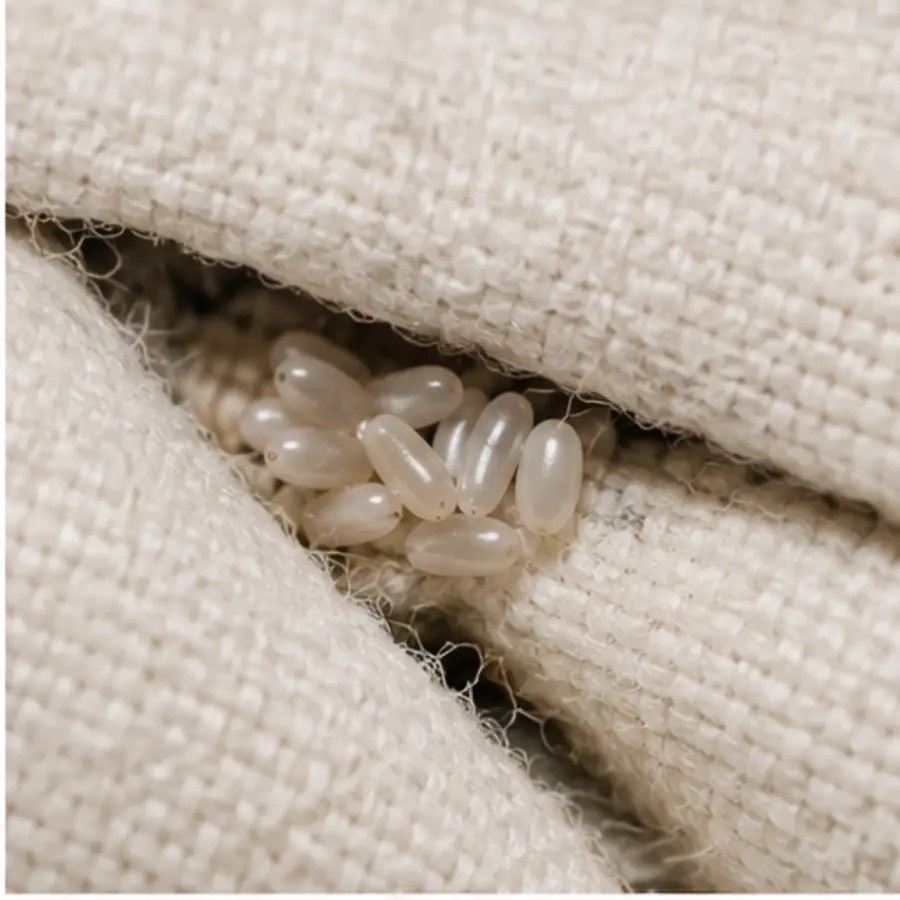
Tiny pearly white eggs may be tucked into protected seams, cracks, and crevices.
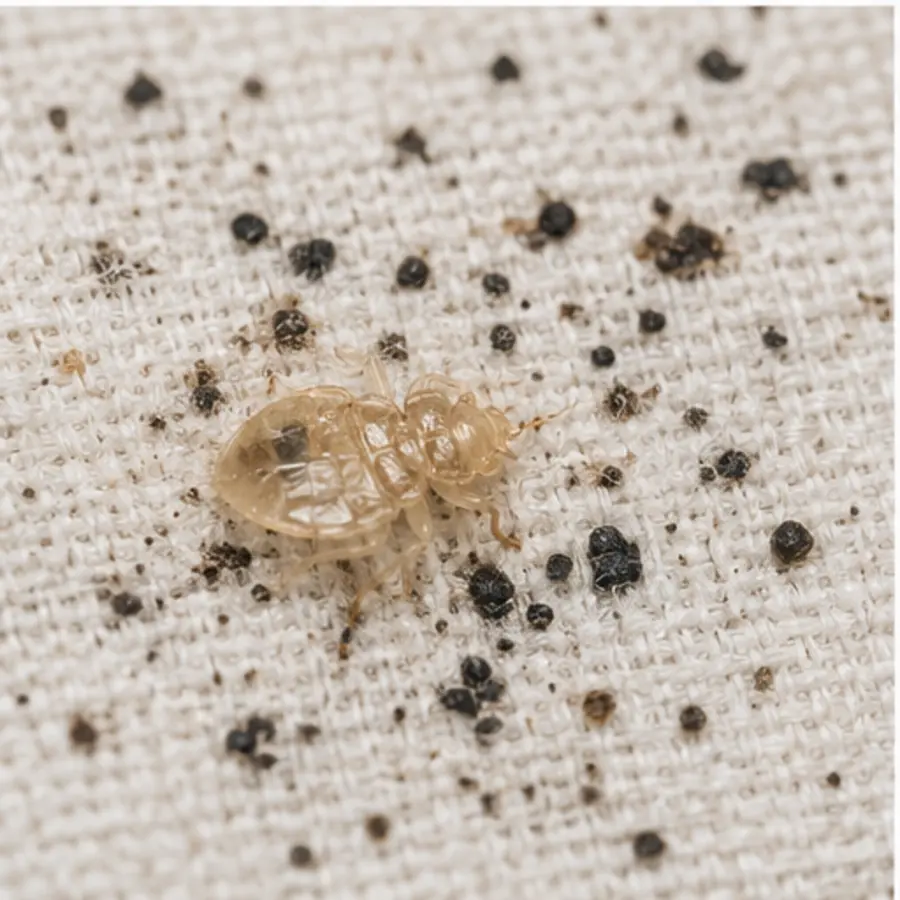
Dark spotting, shed skins, or rusty marks can support an inspection finding.
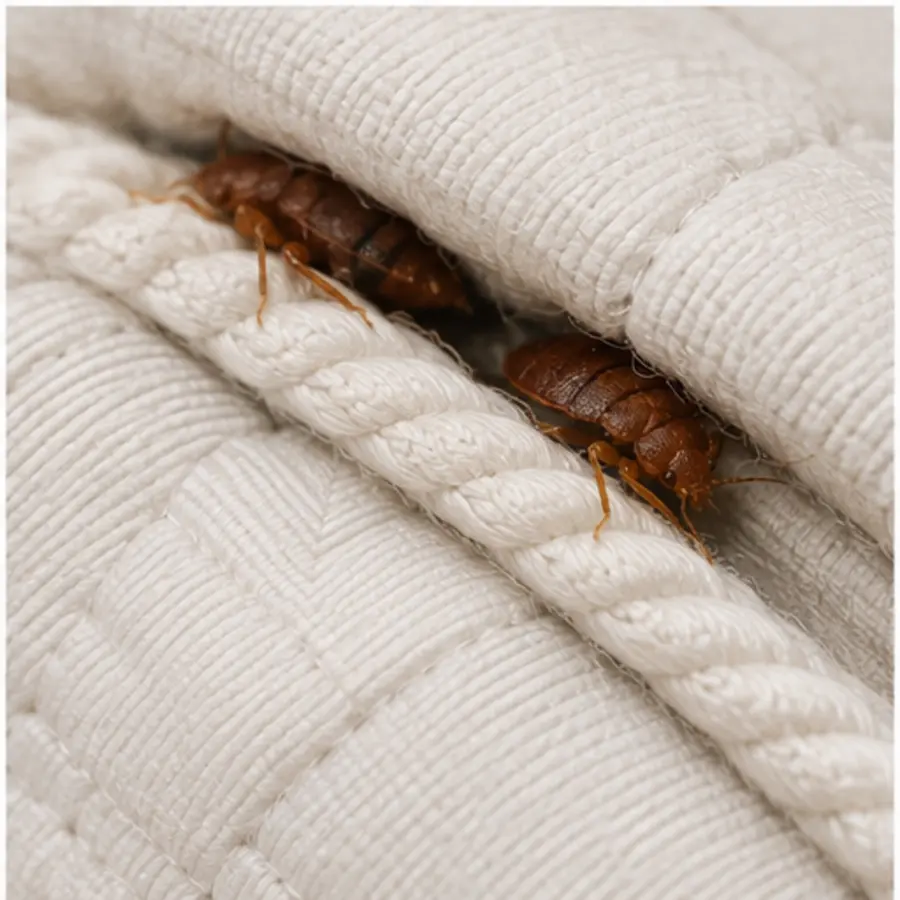
Tufts, piping, labels, box springs, and nearby furniture provide protected harborages.
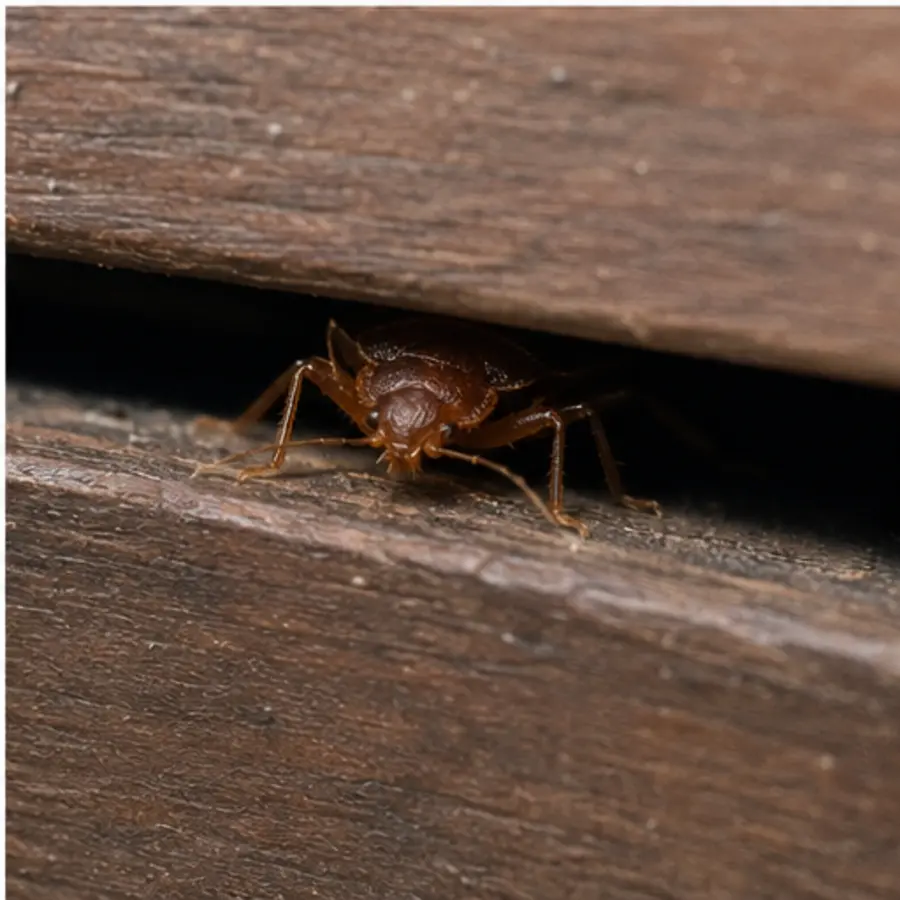
Bed frames, headboards, baseboards, and narrow gaps near resting areas deserve close inspection.
They can still cause itching, sleep loss, anxiety, and rare allergic reactions. Scratching can contribute to a secondary skin infection. A clinician should evaluate concerning symptoms or reactions.
Reactions vary and can resemble other skin conditions or insect bites. Physical insects and room evidence are more useful.
Some people show no physical signs. Other reactions can take days to appear.
Live insects, cast skins, eggs, spotting, and harborages support identification.
Severe reactions, infection concerns, and other symptoms require qualified medical evaluation.
Use the property evidence, environmental conditions, and professional guidance to decide the next step.
If practical, capture a suspected insect in a sealed container or take sharp photographs without crushing it.
Moving bedding or furniture through the property can spread insects to additional rooms.
A trained inspection can distinguish bed bugs from lookalikes and map harborages and evidence.
Treatment may combine preparation, physical controls, targeted products, monitoring, and follow up based on site conditions.
A focused inspection can evaluate the insect, room evidence, likely harborages, and conditions that affect the treatment plan.