
01
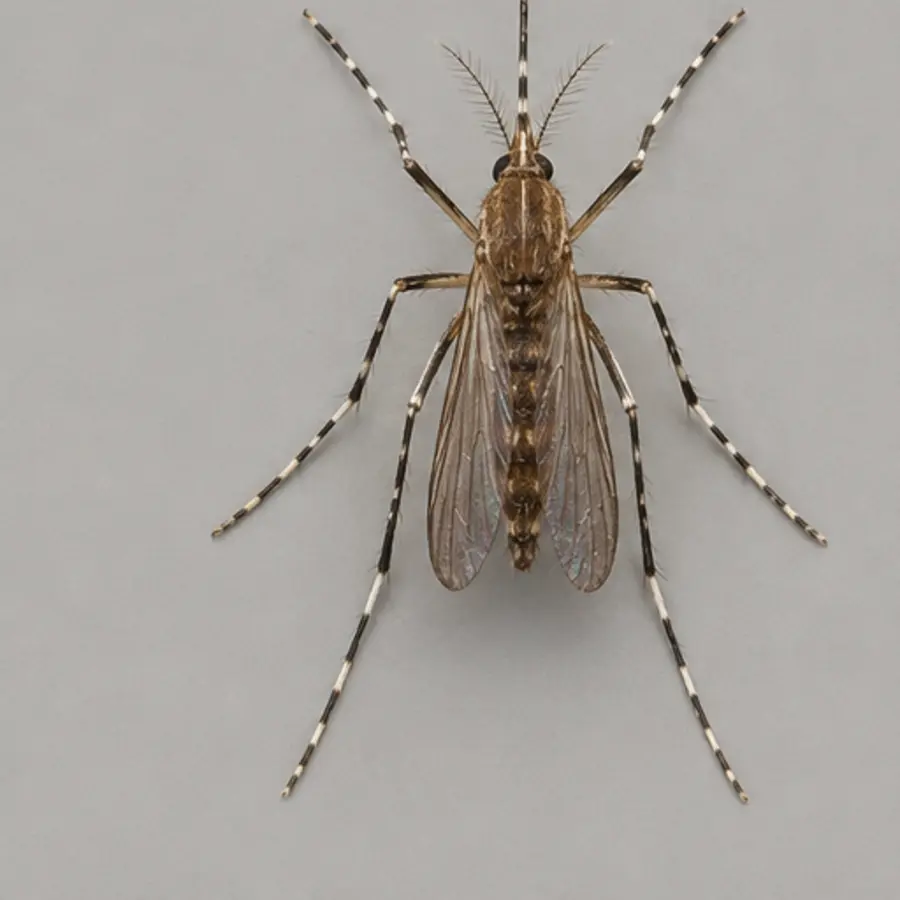
Culex tarsalis
A banded leg Culex mosquito associated with West Nile virus surveillance and western or plains habitats.
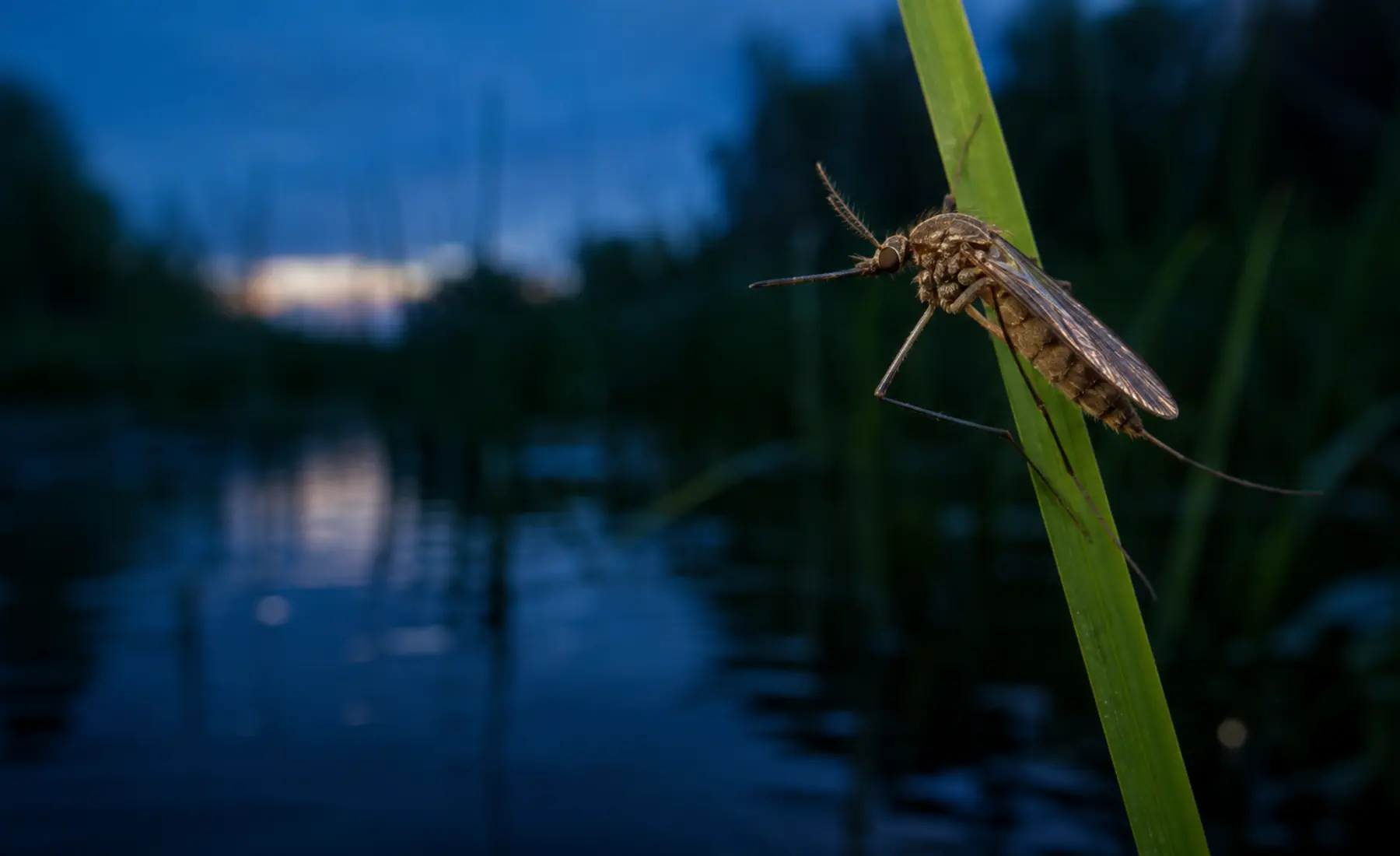
Not every mosquito carries a disease. Species, local surveillance, exposure, and public health guidance determine the health context. Property management starts with water, shelter, and activity patterns.
Mosquitoes differ in markings, activity time, preferred hosts, and breeding sites. A close specimen or clear photograph can help, but site conditions and local surveillance add essential context.
A banded leg Culex mosquito associated with West Nile virus surveillance and western or plains habitats.
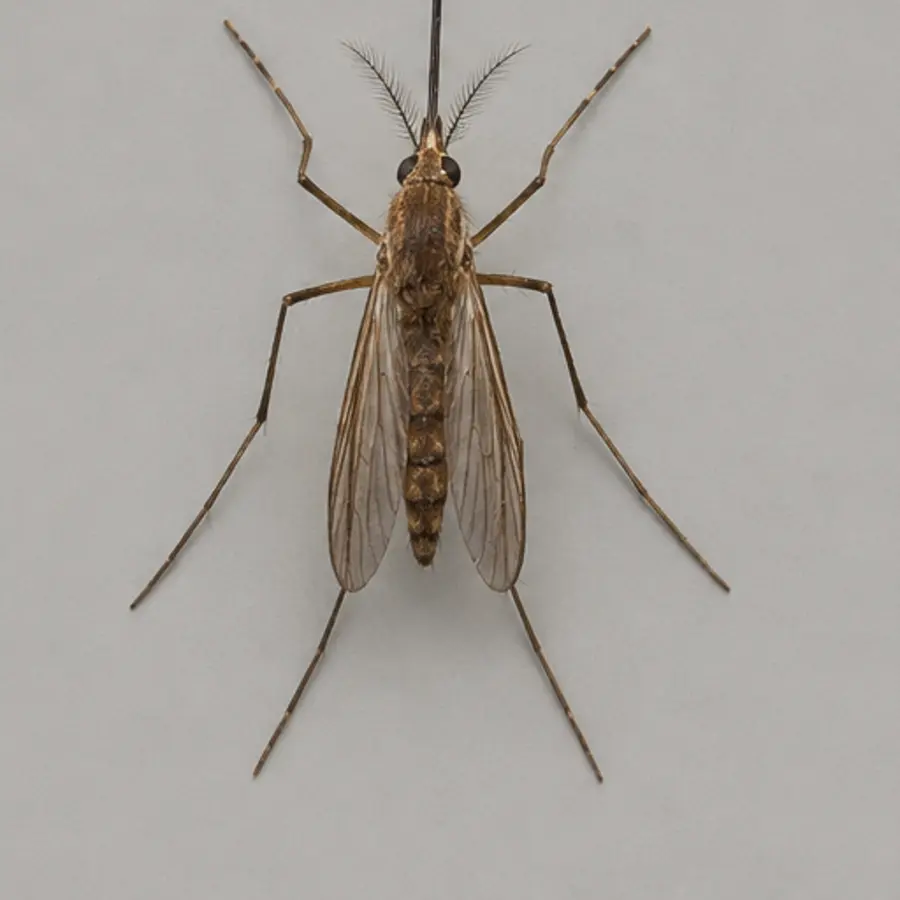
Culex quinquefasciatus often uses nutrient rich standing water around structures and is most active from dusk through night.
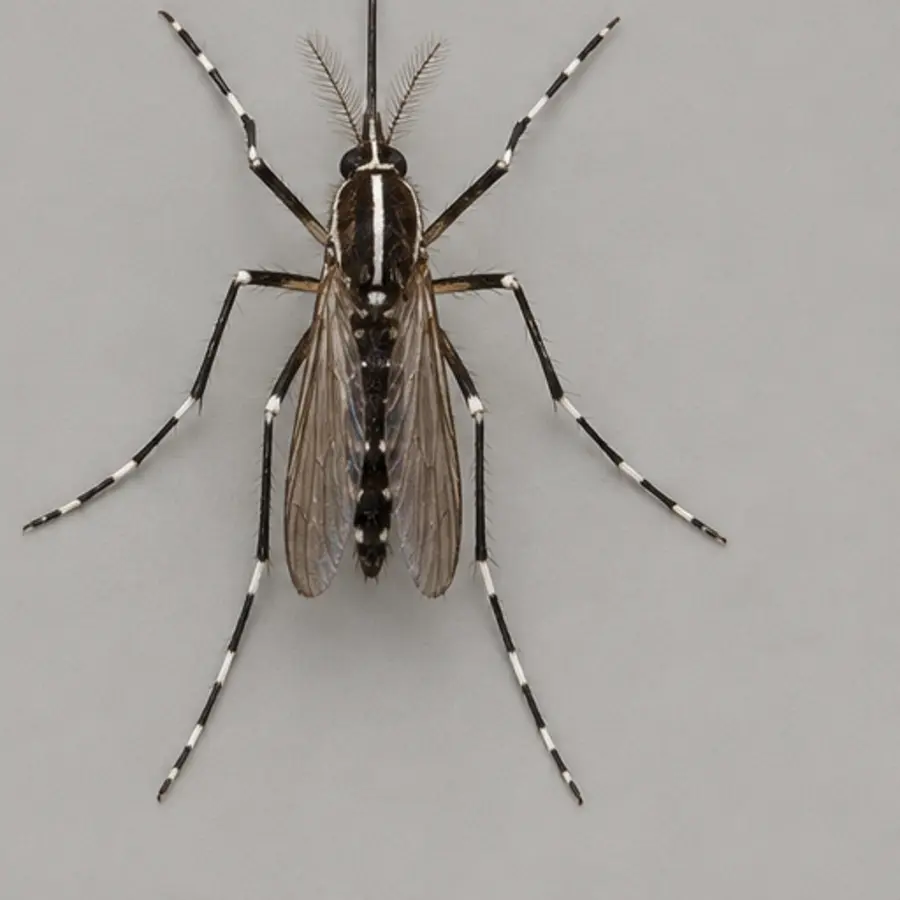
Aedes albopictus has bold black and white markings and can use small water holding containers near homes.
Oklahoma guidance includes West Nile virus, St. Louis encephalitis virus, La Crosse virus, and Jamestown Canyon virus among mosquito borne disease concerns. Most mosquito bites do not cause disease.
Most infected people do not develop symptoms. Some develop febrile illness, and a smaller number develop severe central nervous system disease.
Risk of severe disease increases with age. Certain chronic conditions and weakened immune systems may also increase risk.
Most infections are not apparent. Neuroinvasive disease occurs most often in children under 16.
St. Louis encephalitis and Jamestown Canyon virus appear in Oklahoma public health guidance. A clinician evaluates illness and individual risk.
Use the property evidence, environmental conditions, and professional guidance to decide the next step.
Empty, remove, cover, or maintain water holding containers around the property.
Repair window and door screens and reduce openings that allow mosquito entry.
Follow EPA label directions for repellents and local public health recommendations.
Ask a veterinarian about animal specific risk, symptoms, and preventive decisions.
We identify breeding areas, resting zones, and environmental conditions contributing to mosquito activity, then design a treatment and prevention plan for the property.