
01
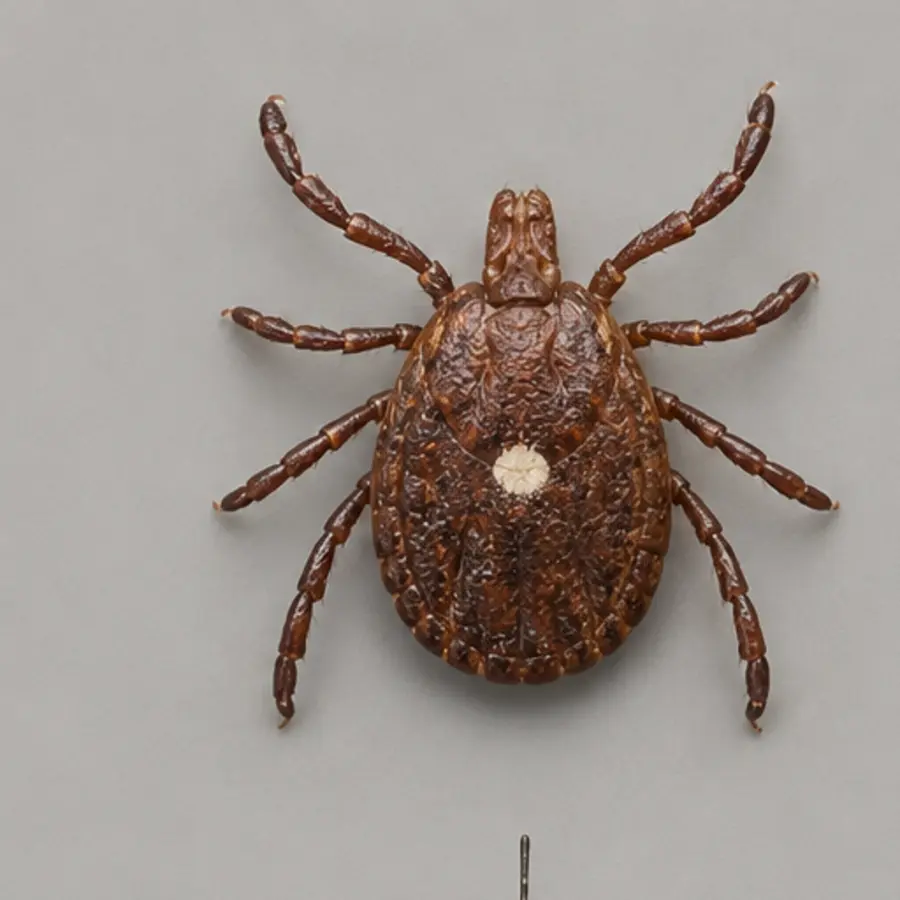
Lone star tick
Adult females have a distinct pale spot. This aggressive tick is associated with wooded or brushy habitat and wildlife movement.
Not every tick is infected, and a tick cannot be judged for pathogen status by appearance. Species, life stage, attachment, geography, symptoms, and public health guidance all matter.
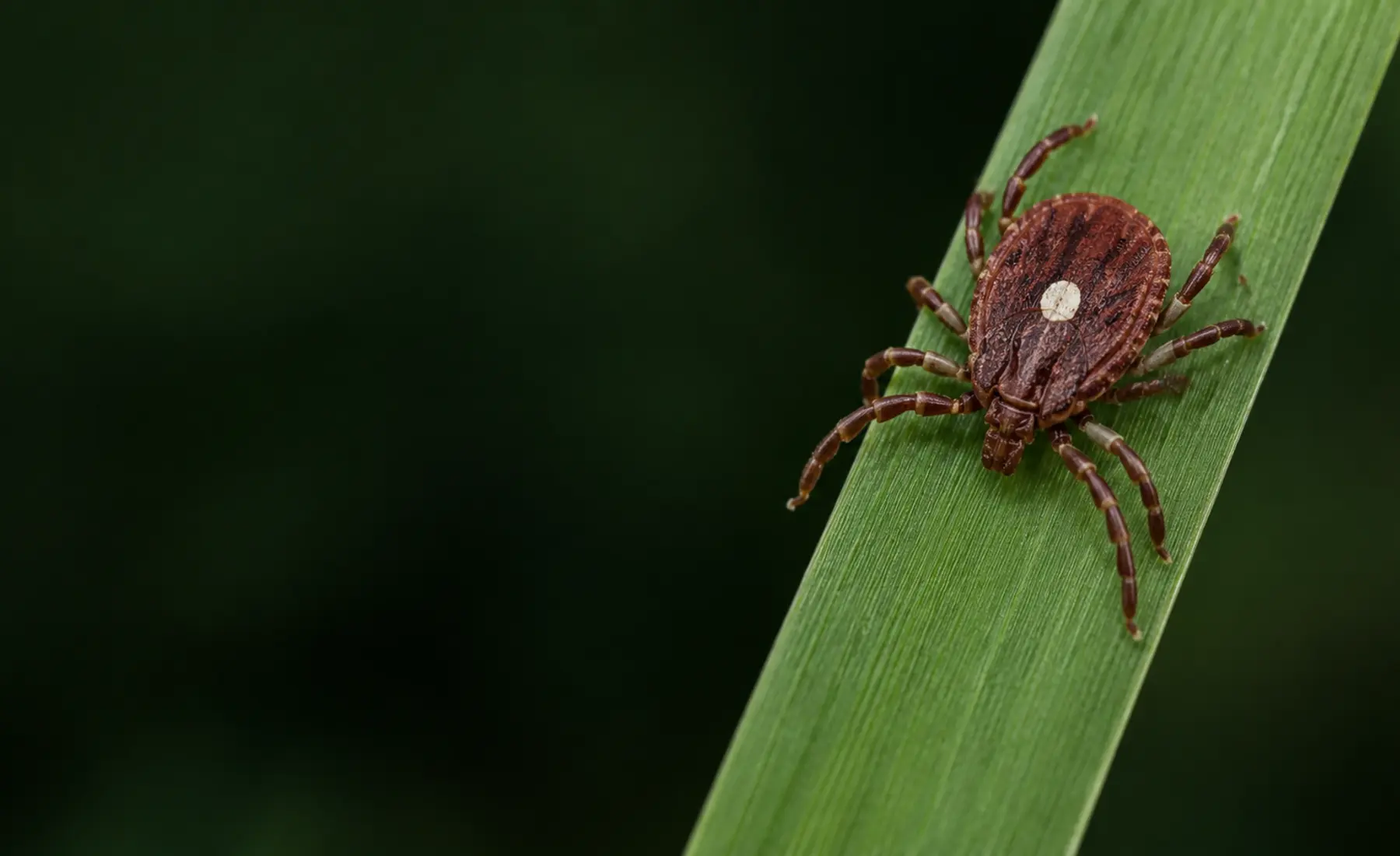
Identification should consider the dorsal pattern, mouthparts, leg color, body shape, size, and life stage.
Adult females have a distinct pale spot. This aggressive tick is associated with wooded or brushy habitat and wildlife movement.
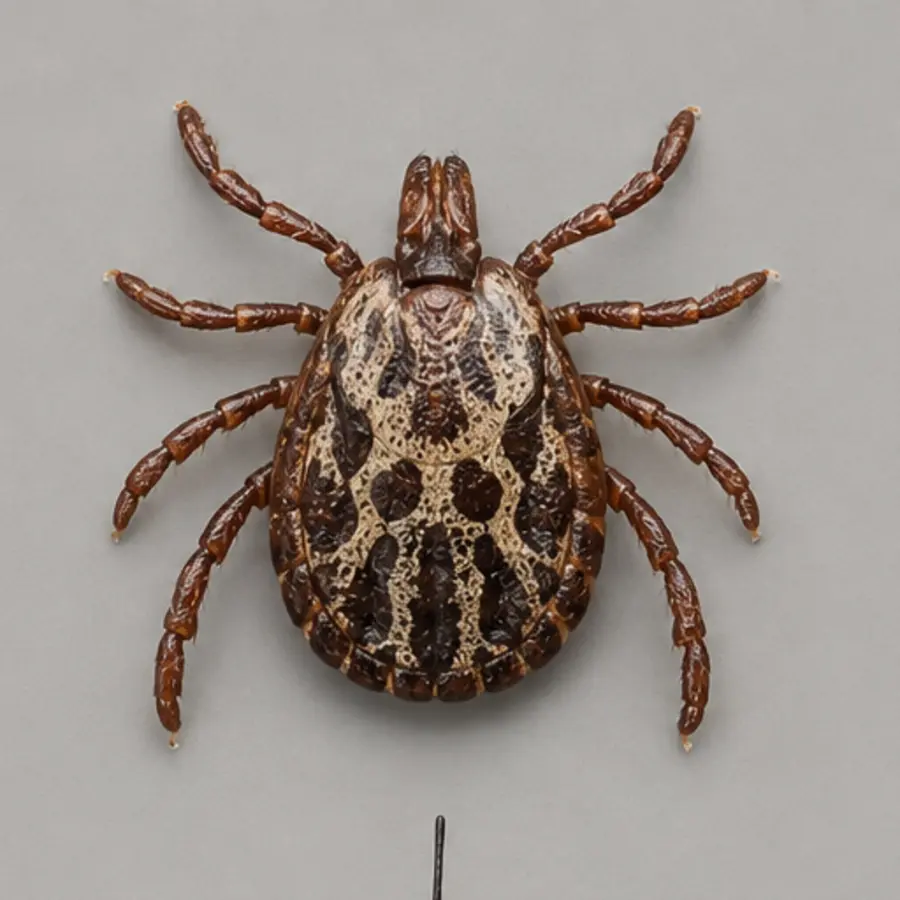
Adults show pale ornate markings and are often encountered along grassy edges and trails.
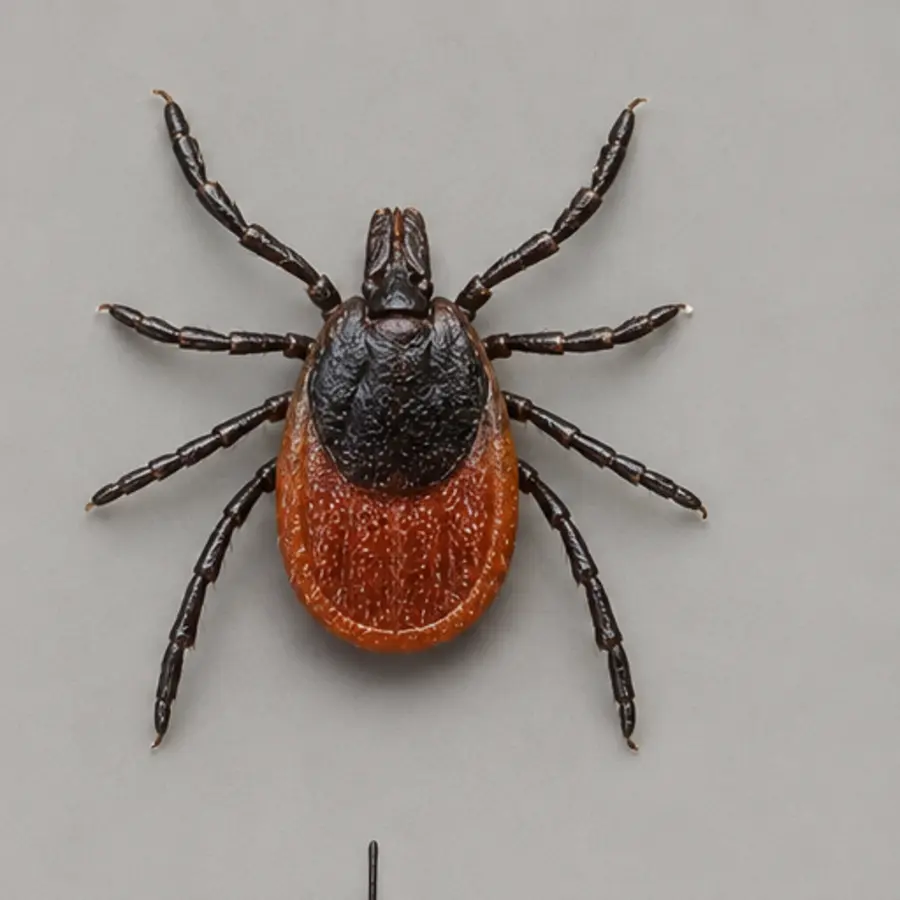
Adults have dark legs and a darker shield. Life stage and sex change the visible body pattern.
Oklahoma public health guidance includes Rocky Mountain spotted fever, ehrlichiosis, tularemia, and anaplasmosis among tickborne diseases seen in the state. A small percentage of ticks are infected.
A serious tickborne disease reported in Oklahoma. Prompt medical evaluation matters when compatible symptoms develop after possible exposure.
A bacterial tickborne disease included in Oklahoma guidance. Symptoms require clinical evaluation and cannot be diagnosed from the tick alone.
Both appear in Oklahoma surveillance and guidance. Risk depends on the specific exposure and organism.
Lone star tick bites are most often associated with this allergy in the United States, but not every person bitten develops it.
Use the property evidence, environmental conditions, and professional guidance to decide the next step.
Inspect the body, clothing, children, gear, and pets after time in tick habitat.
Use fine tipped tweezers, grasp close to the skin, and pull upward with steady pressure.
Contact a medical professional if concerning symptoms develop after a tick bite or possible exposure.
Pet symptoms, preventive products, and treatment decisions belong with a veterinarian.
A property assessment can evaluate tick habitat and treatment options. Medical questions and symptoms should be directed to a qualified healthcare professional.